Doctor-Led Procedure Jaipur • Sikar • Ajmer

Beard Transplant in Jaipur | Fuller Beard & Moustache

A beard transplant moves hair follicles, usually from the back of your scalp, into patchy or thin areas of the beard, moustache, goatee or sideburns. Each graft is placed at the angle and direction of natural facial hair, so the new hair can be grown, trimmed and shaved like the rest of your beard.

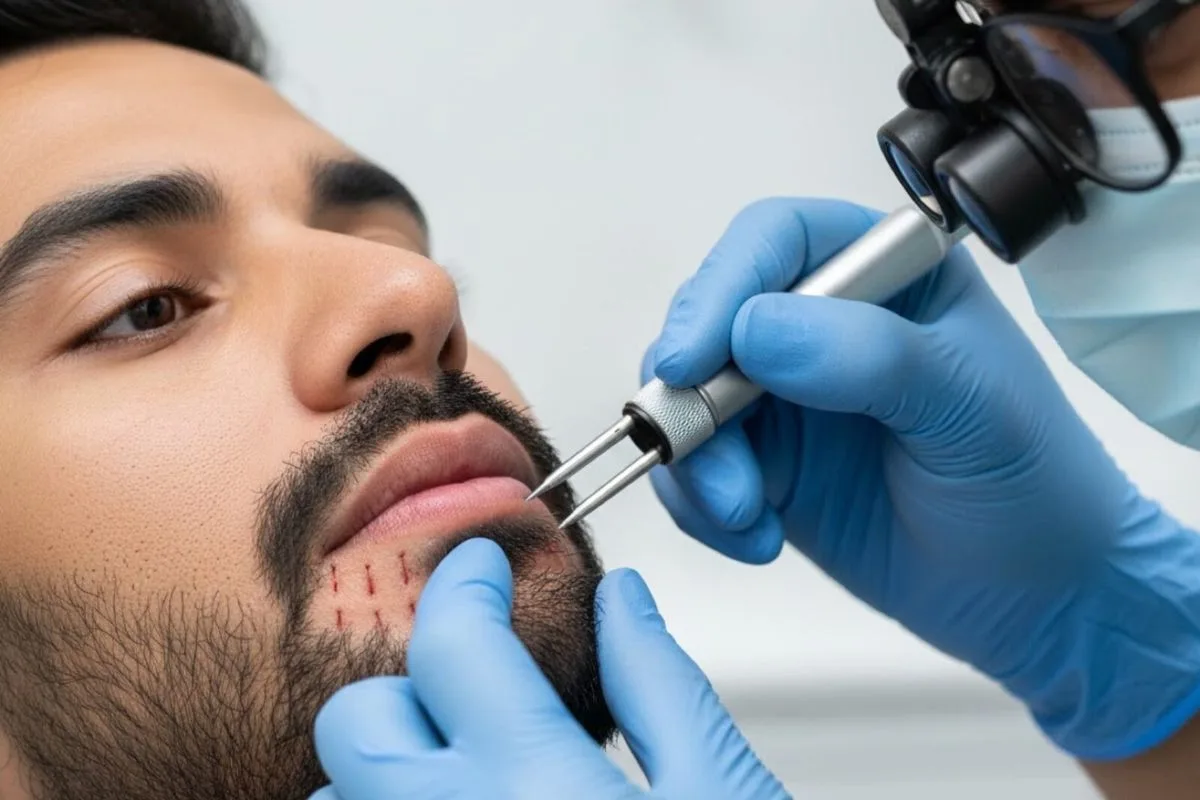
Doctor implanting grafts into the chin area during a beard transplant
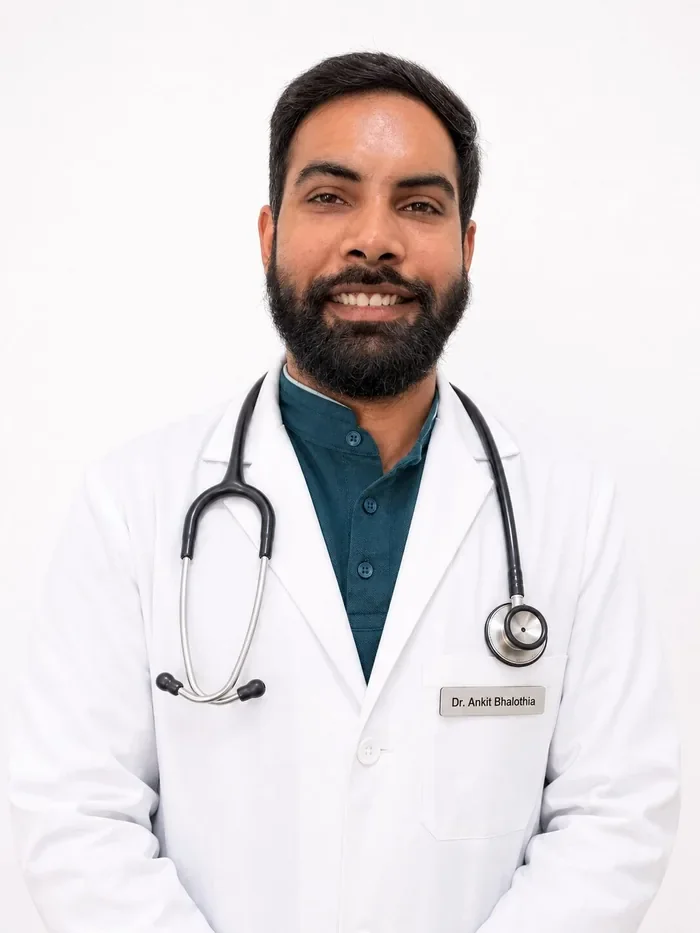
Dr. Ankit Bhalothia

Medically reviewed by Dr. Ankit Bhalothia, Aesthetic & Hair Transplant Surgeon · Last reviewed

The Procedure

What Is a Beard Transplant?

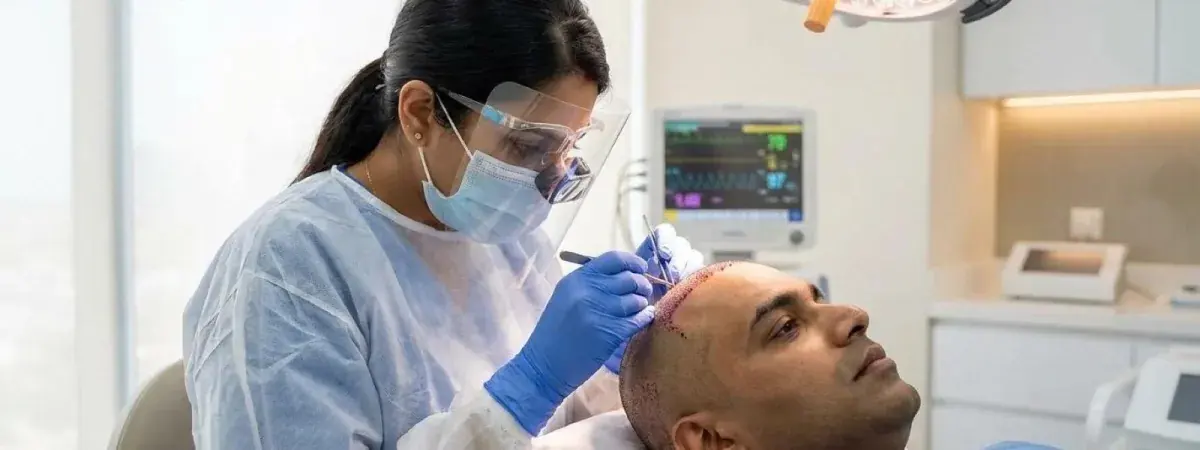
A beard transplant is a hair transplant for the face. Using the FUE technique, the doctor removes follicular units one by one from a donor area, most often the back and sides of the scalp, and implants them where facial hair is missing or sparse.

The donor hair is usually the permanent, DHT-resistant hair from the back of the head. When only a small number of grafts is needed, hair from under the chin can sometimes be used, because its texture closely matches the beard. The grafts are mostly single hairs, placed at a low angle that follows the natural flow of facial hair.

Common reasons for a beard transplant include a beard that has always been patchy or thin, gaps in the moustache or on the cheeks, uneven sideburns, and scars from acne, injury, burns or surgery where hair no longer grows.

In Short:

  • Your own hair: usually taken from the back of the scalp.
  • Natural direction: single-hair grafts follow the angle of facial hair.
  • Permanent: transplanted hair keeps growing and can be shaved.
Doctor placing a graft along the moustache line during beard restoration
Benefits

Benefits of a Beard Transplant

Natural Growth Pattern

Single-hair grafts follow the direction of your facial hair, so the result looks like your own beard.

Fills Patches & Scars

Grafts can cover gaps on the cheeks, chin, moustache and sideburns, and many hair-free scars.

Permanent Hair

Transplanted follicles keep growing, so the new hair can be trimmed, styled and shaved.

Day-Care Procedure

Done under local anaesthesia; you go home the same day.

Custom Beard Design

The cheek line, jawline and density are designed with you before surgery.

Follow-Up Reviews

Planned reviews check healing and growth through the first year.

Suitability

Who Can Get a Beard Transplant?

Most men with patchy or thin facial hair can be considered, provided the cause is right and the donor area is healthy.

A beard transplant may suit you if

  • Your beard, moustache or sideburns have always been patchy or thin
  • You have scars from acne, injury, burns or surgery where hair does not grow
  • You want a sharper beard line or a fuller goatee and moustache
  • You have a healthy donor area at the back of the scalp

It may be postponed or not advised if

  • Facial hair loss is due to active alopecia areata, which needs medical treatment first
  • Your beard may still be filling in; facial hair often keeps developing into the mid-twenties
  • You have an active skin infection or inflamed acne in the area
  • Your scalp donor area is limited and may be needed for a future scalp transplant

Unsure whether your beard will fill in with time? Book a consultation first; the doctor will tell you honestly whether surgery is the right step now.

Procedure

How a Beard Transplant Is Done

Most beard transplants are completed in one day under local anaesthesia; the time depends on the number of grafts.

01

Beard Design

You and the doctor agree on the shape, cheek line and density, and the planned areas are marked on your face.

02

Donor Preparation & Extraction

The donor area, usually at the back of the scalp, is trimmed and numbed, and follicular units are removed one by one with a micro-punch.

03

Graft Sorting

Grafts are checked under magnification, and single-hair grafts are set aside for the most visible areas.

04

Implantation

The beard area is numbed, then each graft is placed at a low angle in the direction of facial hair growth, using fine blades and forceps or an implanter pen.

05

Aftercare

You receive instructions on cleaning, not touching or shaving the area, and your review dates.

Recovery

Beard Transplant Recovery & Results

Facial hair follows the same growth cycle as scalp hair, so results build over about a year.

D5

Days 1 to 5: Healing

Tiny crusts form around each graft. Mild redness and swelling on the face are common and settle within days.

W2

Weeks 1 to 2: Crusts Clear

The crusts fall away in about 7 to 10 days. Your doctor tells you when you can shave or trim around the area again.

M1

Weeks 2 to 6: Shedding

Many transplanted hairs shed. The roots stay in place and restart growth.

M4

Months 3 to 4: Regrowth

New beard hairs begin to grow and the gaps start to fill.

M12

Months 10 to 14: Final Result

The beard reaches its final density; results are judged after about a year.

Medical Note: Results vary from person to person. This page is general information from Kezza Hair & Skin Clinic and is not a substitute for a consultation with a doctor.

Planning your new beard

A good beard transplant starts with design. The doctor looks at your face shape, your age, your existing facial hair and the style you like to wear, then marks the cheek line, jawline, moustache and any gaps to be filled. Because transplanted hair is permanent, the design should also suit you if you later choose to wear your beard shorter or change its style.

The number of grafts depends on the areas and the density you want. Filling a moustache, goatee or sideburns may need a few hundred grafts, while a full beard can need 2,000 or more. Your doctor will balance the look you want against what your donor area can supply.

Where do the grafts come from?

Most beard transplants use hair from the back and sides of the scalp, which is resistant to DHT and gives enough grafts for larger areas. For small corrections, hair from under the chin can sometimes be used, as its thickness and curl closely match the rest of the beard. The doctor chooses donor hair that matches the thickness and colour of your beard as closely as possible.

If you are also losing hair on your scalp, the donor area has to be shared carefully. A good plan keeps enough grafts in reserve for a possible scalp transplant in the future.

Areas a beard transplant can treat

  • Moustache: gaps or thin areas above the upper lip.
  • Goatee and chin: joining the moustache to the chin for a fuller goatee.
  • Cheeks: patchy areas and a clearly defined cheek line.
  • Sideburns and jawline: connecting the beard to the hair on the head.
  • Scars: many acne, injury and surgical scars where hair no longer grows.

Risks and how they are reduced

Beard transplants are generally safe when performed by trained doctors. Possible problems include small inflamed bumps or ingrown hairs (folliculitis), hairs growing at the wrong angle, temporary redness or pigment changes on darker skin, and tiny marks in the donor area. Careful graft placement, sterile technique and following your aftercare instructions reduce these risks. Tell your doctor about any skin conditions or medicines before surgery.

Grey or white hairs in the beard?

A transplant adds hair where it is missing; it does not change hair colour. If your concern is scattered white or grey hairs rather than gaps, white hair removal with electrolysis is the treatment to ask about, as laser cannot remove hair without pigment.

What affects the cost of a beard transplant?

The cost depends mainly on the number of grafts, which is set by the areas you want to fill and the density you want. The donor source, the technique and what is included, such as medicines and follow-up reviews, also play a part. Your doctor gives you a graft estimate after the consultation. Our guide to hair transplant cost in Jaipur explains what to look for when comparing quotes.

Further reading

Sources & Clinical References

  1. International Society of Hair Restoration Surgery (ISHRS): Clinical Protocol for Beard Restorations
  2. ISHRS: Facial Hair Restoration — Beard and Mustache Transplantation Guidelines
  3. Dermatologic Clinics: Surgical Planning & Angle Orientation in Facial Hair Transplantation
Where

Beard Transplant at Our Clinics

Beard transplants are planned and performed by our hair transplant doctors. Call or WhatsApp before your visit to confirm the doctor's schedule at your nearest clinic.

FAQs

Frequently Asked Questions

Is a beard transplant permanent?
Yes. The grafts come from DHT-resistant hair, usually at the back of the scalp, so they keep growing for life. Because the result is permanent, take time to choose a beard design you will be happy with in the long term.
Can I shave after a beard transplant?
Once healed, yes: transplanted hair can be shaved, trimmed and styled like the rest of your beard. Do not shave the treated area until your doctor confirms the grafts are secure, which is usually after the first week or two.
How many grafts do I need for a beard transplant?
It can range from a few hundred grafts for a moustache, goatee or sideburns to 2,000 or more for a full beard, depending on the area and the density you want. The doctor estimates it at your consultation.
Will the transplanted beard look natural?
It should, when single-hair grafts are placed at the right angle and direction. The new hair can feel slightly different at first and usually blends in as it grows and settles over the first year.
Does a beard transplant hurt?
Both the donor area and the beard area are numbed with local anaesthesia, so you feel the injections at the start and then mostly pressure. Mild soreness and swelling for a few days are common.
When will I see results from a beard transplant?
New hairs grow from around 3 to 4 months after surgery, after an initial shedding phase. The final result is usually seen at 10 to 14 months.
Can I have a beard transplant if I am losing hair on my scalp?
Possibly, but the scalp donor area is shared. If your scalp hair loss is progressing, the doctor may keep donor grafts in reserve for a future scalp transplant and plan the beard around that.
Can a beard transplant cover scars?
Often, yes. Grafts can grow in many acne, injury and surgical scars, although scar tissue has a weaker blood supply, so growth can be less predictable and a second session is sometimes needed.
Will there be visible scarring?
The donor area heals with tiny dot marks that are hidden by hair. On the face, the small wounds usually heal within about 10 days; darker skin can show temporary pigment changes that fade over time.

Ready for a Fuller Beard?

Book a consultation with our hair transplant doctors in Jaipur, Sikar or Ajmer. We will design your beard with you and estimate the grafts you need.

Call 9284517427 WhatsApp Us ✦ AI Scanner Book Visit