Freckles & sun spots
Flat brown spots on the surface of the skin (lentigines) often respond well, sometimes in fewer sessions.
A nanosecond laser for pigmentation, laser toning and ink lightening — ₹4,000 per session, usually 6 sessions per condition.
A Q-switched laser fires very short, high-energy pulses of light that break pigment into tiny particles your body can then clear. It is used for freckles, sun spots and other pigment problems, for gentle 'laser toning' as part of melasma care, and for lightening tattoo or permanent-makeup ink. At Kezza Clinic, Q-switch laser treatment is done by Dr. Neelam Choudhary, Dental Surgeon (BDS) · Facial Aesthetics & Clinical Cosmetology, at ₹4,000 per session — usually 6 sessions per condition.
See Q-switch laser cost and sessions
Nanosecond pulses shatter pigment without relying on heat, which is why Q-switched lasers are used on darker skin with careful settings.
'Q-switched' describes how the laser releases its energy: in pulses that last only a few billionths of a second (nanoseconds). Energy delivered that fast creates a photo-acoustic effect — a tiny shock wave — that breaks pigment particles apart rather than slowly heating the skin. The fragments are then cleared by the body over the following weeks.
The most common type is the Q-switched Nd:YAG laser. Its 1064 nm wavelength reaches deeper pigment and is the usual choice for Indian skin, because it is absorbed less by the skin's own surface melanin. A 532 nm wavelength is used for some superficial brown spots and red or orange ink.
Laser toning is a gentle way of using the 1064 nm laser: low-energy passes over the whole face, repeated over several sessions, to lighten diffuse pigment such as melasma. It is one part of melasma care, alongside sunscreen and creams — not a cure on its own. Read more on our pigmentation and melasma treatment page.A Q-switched laser is not a hair-removal laser and does not resurface the skin. For unwanted hair see laser hair removal; for acne scars and texture see microneedling.
Each session costs ₹4,000. Most conditions are planned as about 6 sessions; your doctor reviews progress and may suggest fewer or more.
Price per session at Kezza Clinic as confirmed in October 2026. The number of sessions depends on your condition and how your skin responds.
Ask about your quote| Treatment | Price at Kezza |
|---|---|
| Q-switch laser | ₹4,000 per session |
| Chemical peel | ₹2,500 per session |
| Medical peel | ₹5,000 per month |
Your doctor confirms the diagnosis first, because different pigment problems respond very differently.
Melasma is influenced by hormones, heat and light. A laser can lighten it, but sunscreen and follow-up care are what keep it under control.
Dr. Neelam examines your skin and the pigment, asks about medicines and sun exposure, and explains how many sessions are likely.
A small test area may be treated first to check how your skin responds.
Makeup is removed and you wear protective eye shields throughout the session.
The laser passes over the area; most people feel a light snapping or warm prickling. Numbing cream can be used for tattoos.
The skin is cooled and moisturised. Use sunscreen daily and avoid harsh products for a few days.
Sessions are spaced a few weeks apart — longer for tattoos — and progress is reviewed at each visit.
Mild redness or warmth that usually settles within hours.
Treated brown spots may turn darker and flake off; do not pick them.
Toning sessions are usually repeated every few weeks.
Results are reviewed and the plan adjusted.
Sunscreen and occasional maintenance help keep pigment from returning.
Both are used for pigment. Many plans combine them — your doctor will suggest what suits your skin.
| Q-switch laser | Chemical peel | |
|---|---|---|
| How it works | Nanosecond light pulses break up pigment | An acid removes the top layer of dead skin cells |
| Best for | Spots, toning, deeper pigment and ink | Dullness, tan, surface pigment and mild acne marks |
| Downtime | Usually redness for a few hours | Light flaking for a few days |
| Usual plan | About 6 sessions per condition | Usually a course of 3 sessions |
| Price at Kezza | ₹4,000 per session | ₹2,500 per session |
Contact the clinic if you develop blisters, open sores, signs of infection or worsening darkness after a laser session.
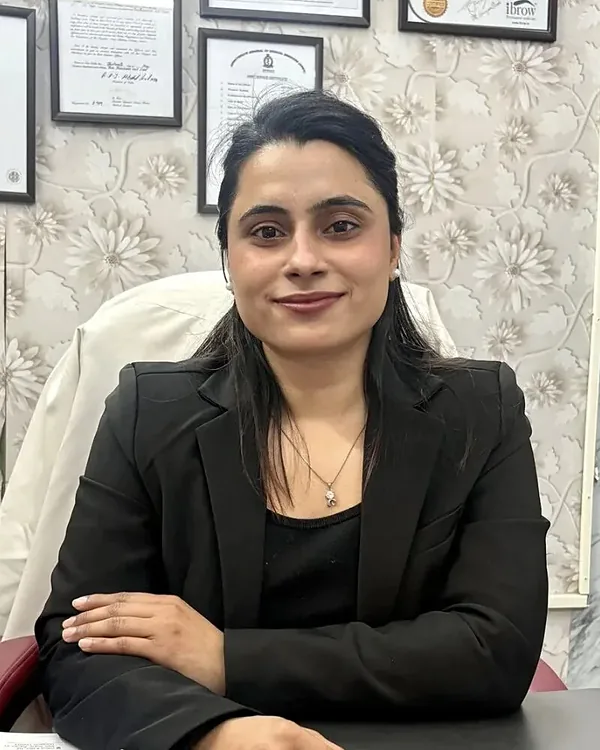
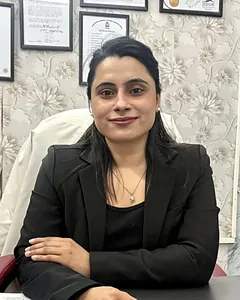
Dental surgeon practising facial aesthetics and clinical cosmetology, focused on pigmentation, laser therapies and skin rejuvenation.
At Kezza Clinic, a Q-switch laser session costs ₹4,000. Most conditions are planned as about 6 sessions, and Dr. Neelam Choudhary reviews your progress and the number of sessions as you go.
Usually about 6 sessions per condition, spaced a few weeks apart. Surface spots can need fewer; melasma, deeper pigment and tattoos often need more, and melasma usually needs maintenance.
It can be, when it is used with suitable settings. The 1064 nm wavelength is the usual choice for darker skin because it is absorbed less by surface melanin. There is still a risk of darker or lighter patches, which is why a doctor sets the energy and spacing and why sun protection matters.
Most people feel a light snapping or warm prickling. Toning for pigment is usually well tolerated; tattoo sessions are more uncomfortable, and numbing cream can be used.
No treatment cures melasma, because hormones, heat and light keep triggering it. Laser toning can lighten it as part of a plan with sunscreen and prescription creams, and maintenance helps keep it under control.
Usually very little. Redness settles within hours, and treated brown spots may darken and flake off over about a week. You can return to work the same day.
It can lighten most tattoos a great deal, but complete removal is not always possible. Black and dark blue inks respond best; some colours respond poorly, and several sessions are needed.
Tell us what you would like treated — dark spots, melasma, uneven tone or an unwanted tattoo. A clear photo in daylight on WhatsApp helps Dr. Neelam plan your first visit.
This page is general information from Kezza Hair & Skin Clinic and does not replace a consultation. Suitability, number of sessions and results differ from person to person.