Cryolipolysis or liposuction?
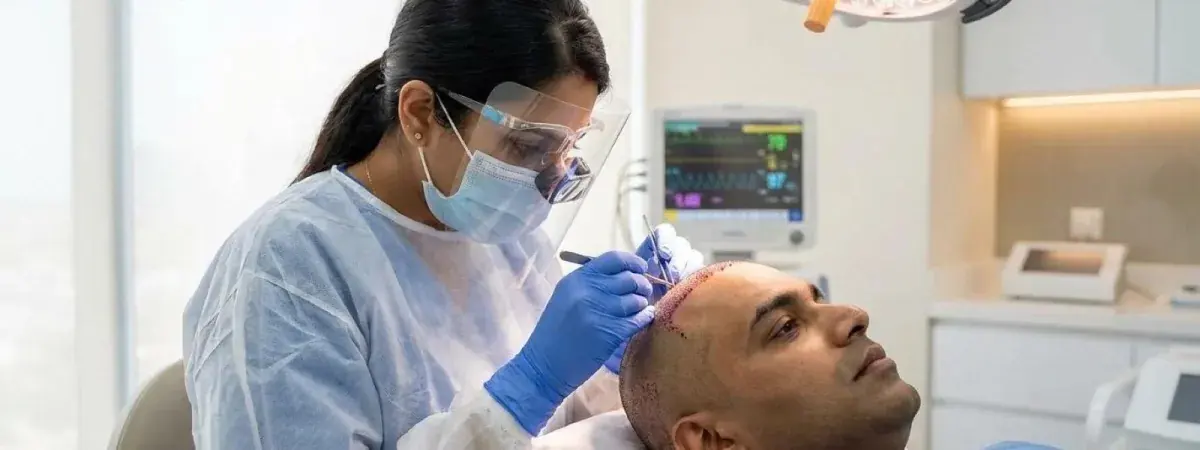
Liposuction is surgery. Fat is removed through small cuts under anaesthesia, and a larger amount can be taken in one procedure, but there is a recovery period and the usual risks of surgery. Cryolipolysis has no cuts or anaesthesia and most people carry on with their day afterwards, but the change per session is modest and appears gradually. It is a good fit for a small, well-defined bulge in someone close to a healthy weight. If you have a larger amount of fat to lose, or loose skin, your doctor will tell you honestly that another approach is likely to suit you better.
Full-body sessions with four applicators
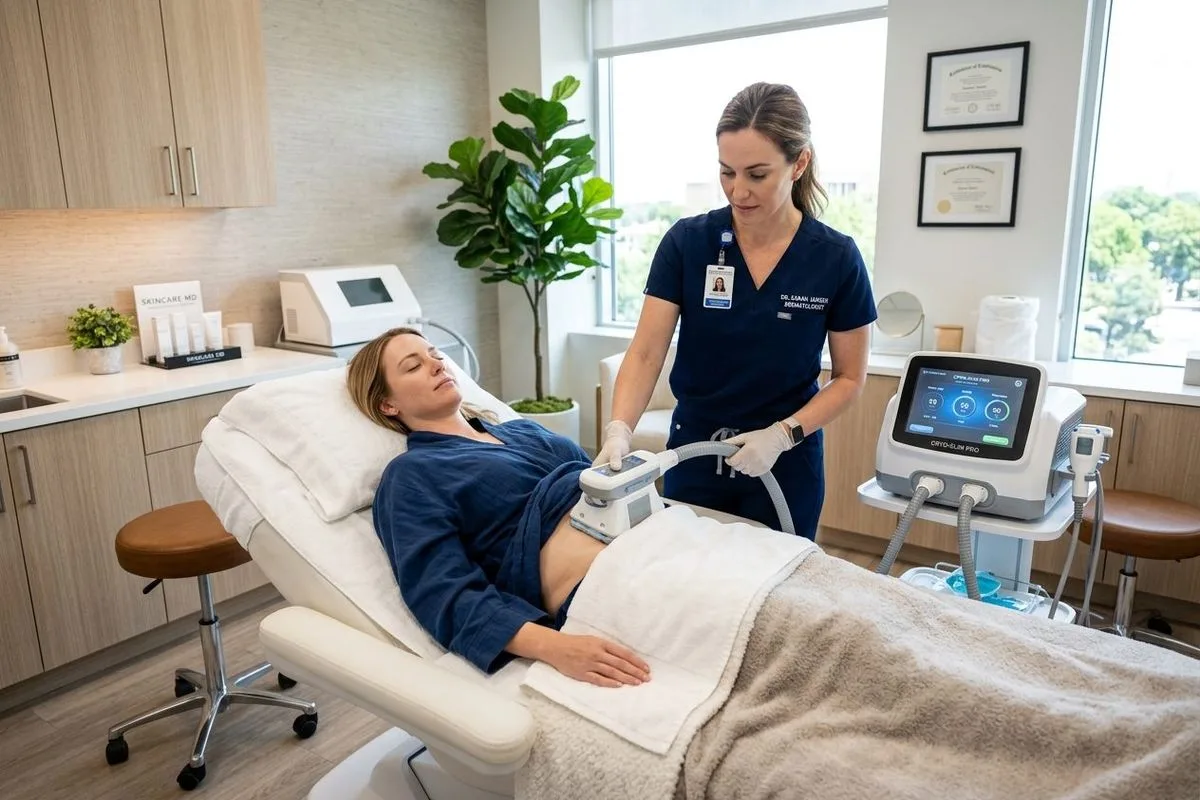
Kezza's full-body cryo session uses four applicators at the same time, so that several zones, for example both flanks and the lower belly, can be treated in one visit instead of across several appointments. Each area still has to be suitable on its own, with enough pinchable fat for the applicator and no medical reason to avoid cooling. Your doctor decides which areas to include and how the applicators are placed, and you should expect the visit to take longer than a single-area session.
How to prepare for your session
- Tell your doctor about any medical conditions, especially cold-related conditions, nerve problems, hernias or recent surgery near the area.
- Mention any medicines you take, and if you are pregnant or breastfeeding.
- Wear loose, comfortable clothing that is easy to move away from the area being treated.
- Aim to be at a stable weight before you start, so that the change from treatment is easier to see.
Aftercare and getting the best result
There are no strict activity restrictions after cryolipolysis, and most people return to work the same day. Soreness, numbness and swelling settle on their own; ask your doctor what pain relief is safe for you if the area is uncomfortable. Keep up regular activity and balanced meals while your body clears the treated fat, because gaining weight during this time can hide the change. Your review appointment, usually after three to four months, compares measurements and photos with your first visit.
Side effects to know about
Most side effects are temporary: redness, swelling, bruising, tenderness, itching, tingling and numbness in the treated area, lasting from a few days to a few weeks. Paradoxical adipose hyperplasia (PAH) is rare. In PAH, weeks to months after treatment, the treated area becomes larger and firmer instead of smaller. The American Society of Plastic Surgeons reports that it affects fewer than 1 percent of patients and is more common in men. It does not resolve on its own, and treatment usually involves liposuction. If a treated area starts to grow after first looking smaller, contact the clinic. Rarely, the cold can injure the skin (blistering or frostbite), and some people develop strong nerve pain a few days after treatment; contact the clinic straight away if either happens.
What affects the cost of cryolipolysis?
The cost depends on how many areas are treated, how many applicators each area needs and whether you choose a second session. Treating one small area costs less than a full-body session with four applicators. Your doctor explains the plan and the number of sessions after your assessment, before you decide.
Further reading
- Cryolipolysis Fat Freezing Guide: Science, Applicators & Results
- Body Sculpting vs Weight Management: Target Areas, Physics & Expectations
Sources & Clinical References
- Cleveland Clinic: Non-Invasive Cryolipolysis (Fat Freezing) Clinical Review
- American Society of Plastic Surgeons: Mechanism, Efficacy & Safety of Cryolipolysis
- Lasers in Surgery and Medicine: Clinical Data on Non-Invasive Cryolipolysis Adipocyte Apoptosis
- Plastic and Reconstructive Surgery: Safety and Long-Term Patient Outcomes with Cold Induced Lipolysis