Key takeaways
- Weight management decreases the physical size (hypertrophy) of fat cells throughout the entire body; it does not change the total number of adipocytes.
- Non-surgical body sculpting (cryolipolysis, HIFU) destroys a percentage of fat cells in a specific anatomical area, reducing the cell count in that zone.
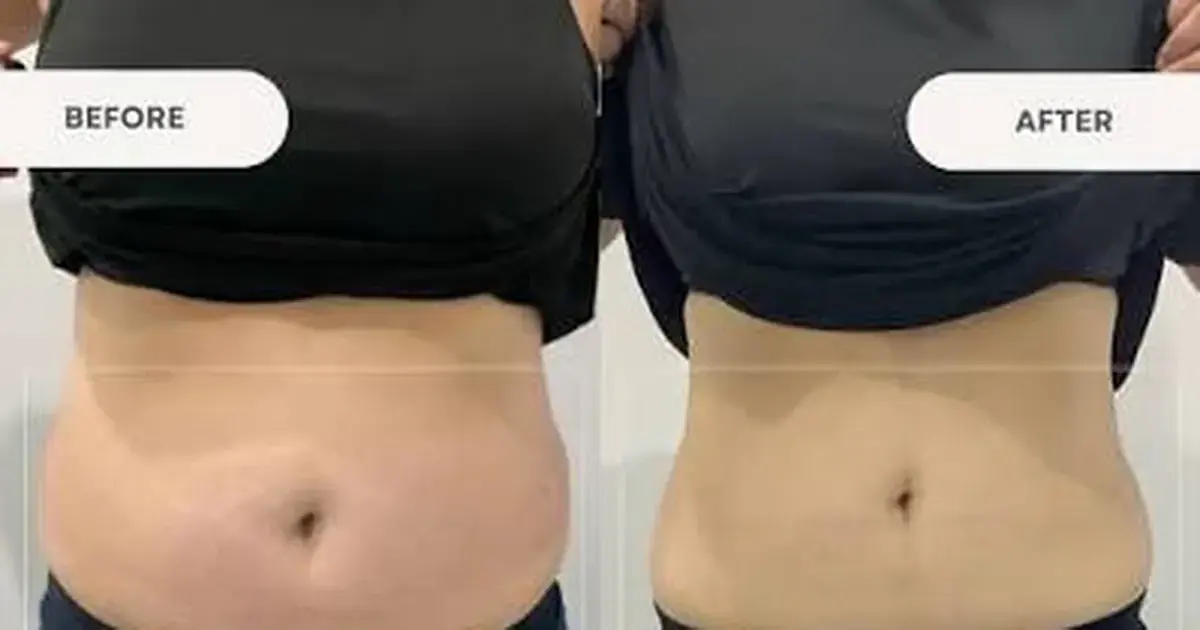
- Body contouring does not substantially change your weight on a bathroom scale; its primary endpoint is circumferential reduction and visual silhouette reshaping.
- Cosmetic body contouring cannot treat intra-abdominal visceral fat or systemic obesity, which require nutritional and physician-guided metabolic care.
The short answer
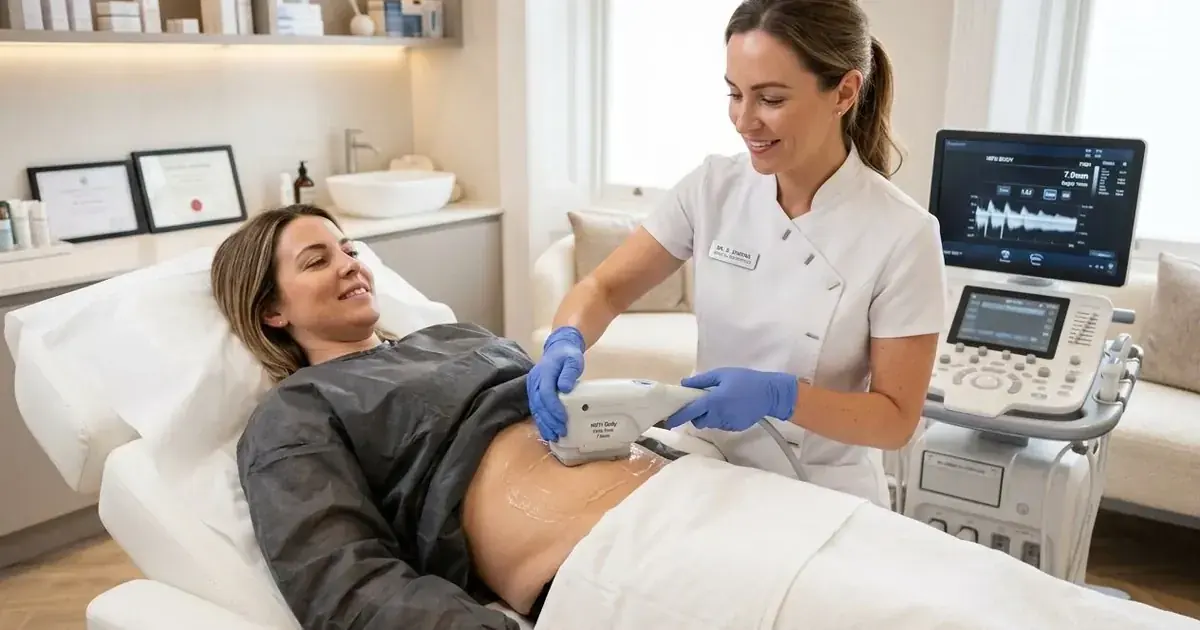
Weight management and body sculpting serve fundamentally different clinical goals. Weight management occurs when an overall calorie deficit causes fat cells throughout your entire body to shrink in size, improving metabolic markers and reducing the number on the scale. Body sculpting (such as cryolipolysis or HIFU) uses non-invasive energy to destroy a targeted percentage of fat cells in a specific stubborn pocket, improving shape and silhouette without significantly changing total body weight.
The cellular difference: Shrinking vs eliminating fat cells
By the end of late adolescence, the human body establishes a relatively constant number of fat cells (adipocytes). Landmark cellular turnover studies published in Nature demonstrate that adult adipocyte count remains stable throughout adulthood:
| Dimension | Systemic Weight Management | Non-Surgical Body Sculpting |
|---|---|---|
| Adipocyte mechanism | Fat cells shrink in volume (hypotrophy); cell count remains identical | Fat cells are permanently eliminated (apoptosis); cell count decreases in treated zone |
| Target area | Full-body; determined by genetics and hormones | Specific localized pocket (abdomen, flanks, double chin) |
| Impact on weight | Noticeable reduction in total kilograms on the scale | Minimal change on the scale (< 0.5 – 1 kg) |
| Primary goal | Metabolic health, systemic fat reduction, cardiovascular fitness | Circumferential contouring, clothing fit, body silhouette |
| Fat type treated | Both subcutaneous fat and deep visceral organ fat | Subcutaneous pinchable fat only; cannot treat visceral fat |
| Medical role | First-line treatment for overweight and obesity management | Cosmetic refinement for patients near stable target weight |
Subcutaneous fat vs Visceral fat
Understanding which type of fat you have is essential for realistic expectations:
1. Subcutaneous Adipose Tissue (Pinchable)
This is the soft, malleable fat resting just beneath the dermis and above the abdominal wall musculature. When you pinch a roll around your waistline or back, you are holding subcutaneous fat. This is the only type of fat that can be treated by external body sculpting technologies like cryolipolysis or body HIFU.
2. Visceral Adipose Tissue (Intra-Abdominal)
Visceral fat sits deep inside the abdominal cavity, wrapped around vital organs such as the liver, stomach and intestines. Clinically, it causes a protruding, firm, 'beer belly' abdomen that cannot be pinched. Visceral fat is metabolically active and linked to insulin resistance and cardiovascular risk. No non-surgical body sculpting machine can treat visceral fat. Reducing visceral fat requires structured dietary modification, caloric deficit, and physician-supervised lifestyle changes.
Are you a candidate for body contouring?
Cosmetic body sculpting procedures are indicated for individuals who:
- Are within 5 to 10 kg of their personal healthy goal weight.
- Lead an active lifestyle and follow balanced nutritional habits, yet struggle with localized, genetic fat pads that do not respond to diet.
- Possess pinchable subcutaneous fat bulges (such as lower belly rolls, flanks or double chin).
- Have moderate skin elasticity, enabling the dermis to adapt smoothly to the newly contoured adipose base.
When is medical weight management the appropriate path?
If your Body Mass Index (BMI) is 30 or higher, or if fat accumulation is generalized across the trunk and limbs, non-invasive contouring machines will provide disappointing results. In such cases, physician-supervised medical weight management—focusing on metabolic profiling, nutritional balancing and exercise programming—is the medically appropriate first step.
The ideal treatment sequence at Kezza
At Kezza Hair & Skin Clinic, our medical team advocates a two-phase approach for long-term health and aesthetics:
- Phase 1 (Metabolic Foundation): Achieve baseline weight stabilization through balanced nutrition, adequate sleep and progressive physical conditioning.
- Phase 2 (Aesthetic Sculpting): Once your weight is steady, apply targeted non-surgical body contouring (such as cryolipolysis or high-intensity focused ultrasound) to sculpt resistant genetic problem areas that exercise cannot spot-reduce.
Consult our body wellness team
During an initial consultation at our Jaipur, Sikar or Ajmer clinics, our physicians perform an accurate body composition analysis to distinguish between subcutaneous and visceral fat. Learn more about our weight management and body contouring services or read our guide to cryolipolysis fat freezing.
Considering clinical treatment?
Our aesthetic physicians and surgeons provide personalized clinical assessments at our Jaipur, Sikar and Ajmer clinics.
Sources
- Nature: Adipocyte turnover and dynamics in human adults
- Aesthetic Surgery Journal: Non-invasive body contouring clinical review
- Obesity: Subcutaneous and visceral adipose tissue distinctions
- American Society of Plastic Surgeons: Body contouring candidate guidelines
This article is general health information, not a diagnosis or a substitute for a consultation. Treatment suitability, number of sessions and results vary from person to person; please speak to a doctor about your own situation.

Kezza Hair & Skin Clinic is a doctor-led hair, skin and aesthetics clinic with branches in Jaipur, Sikar and Ajmer. Meet our doctors. Related treatments: Body contouring & fat reduction · Cryolipolysis guide · Doctor consultation