Key takeaways
- Cryolipolysis exposes subcutaneous adipose tissue to precisely calibrated cooling (-9°C to -11°C), triggering programmed cell death (apoptosis) in lipid-rich fat cells.
- Because adipocytes crystallize at higher temperatures than water-based skin, nerves, and muscle, surrounding tissues remain unharmed during treatment.
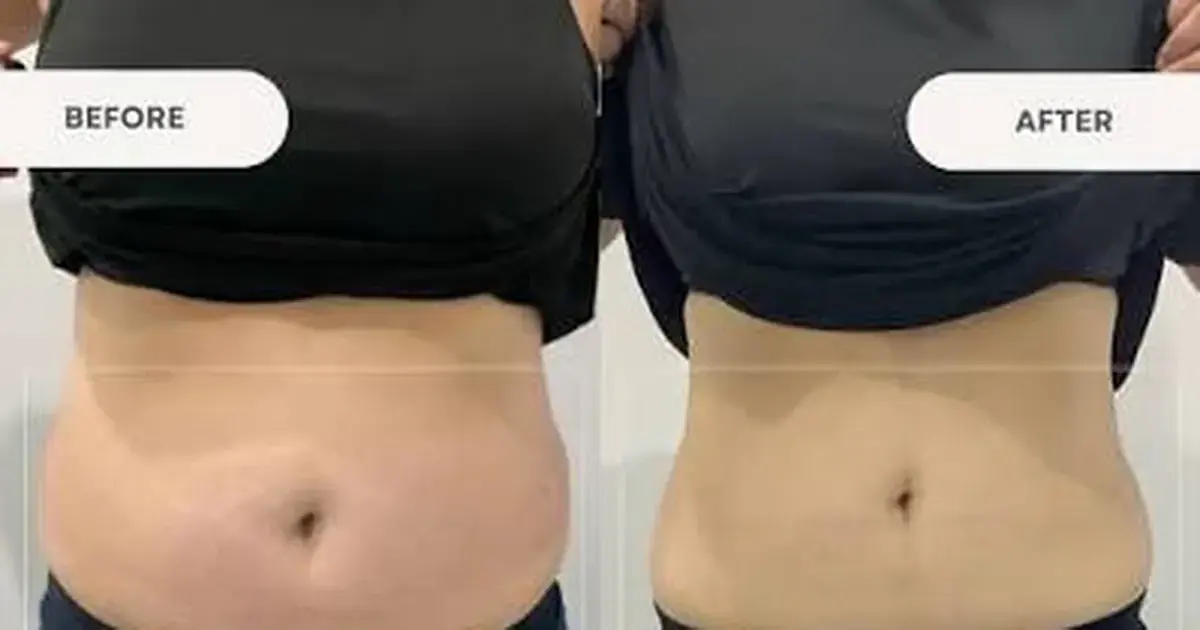
- Clinical trials document an average reduction of 20% to 25% in the thickness of the treated subcutaneous fat layer over 8 to 12 weeks as macrophages clear cellular debris.
- Cryolipolysis is an anatomical body contouring treatment for discrete, pinchable fat pockets; it does not reduce intra-abdominal visceral fat or substitute for systemic weight management.
- In Asian Indian adults with lower threshold BMI cut-offs, clinical palpation distinguishes treatable subcutaneous fat from firm intra-abdominal visceral adiposity.
The short answer
Cryolipolysis (widely recognized by the pioneer brand CoolSculpting®) is an internationally approved, non-surgical medical procedure that eliminates localized subcutaneous fat deposits through precisely controlled cold exposure. Because lipid-rich fat cells freeze at higher temperatures than water-based skin, muscle, and nerve cells, calibrated cooling (-9°C to -11°C) triggers programmed fat cell death (apoptosis) without damaging surrounding tissue. Over the subsequent 8 to 12 weeks, your immune system naturally clears the dead cells, reducing the fat layer by an average of 20% to 25%.
How cryolipolysis works at the cellular level
The science of cryolipolysis originated from Harvard Medical School researchers Dr. Dieter Manstein and Dr. R. Rox Anderson. Observing that children who ate frozen popsicles occasionally developed transient dimples in their cheeks (known as popsicle panniculitis), they proved that adipocytes possess a unique vulnerability to thermal extraction compared to adjacent tissues.
The biological cascade unfolds through five synchronized stages:
- Targeted thermal extraction: An anatomical vacuum applicator draws the isolated subcutaneous bulge between twin cooling plates, dropping tissue temperatures to an apoptotic window of -9°C to -11°C.
- Lipid crystallization: The high concentration of saturated fatty acids within adipocytes crystallizes, causing irreversible intracellular structural damage while leaving water-rich dermal cells unaffected.
- Programmed cell death (apoptosis): Within 72 hours, crystallized fat cells initiate caspase-dependent apoptosis, releasing chemical signaling factors that recruit inflammatory cells.
- Macrophage phagocytosis: Over weeks 2 through 8, tissue macrophages surround, engulf, and digest the apoptotic adipocyte remnants without elevating serum lipid or liver enzyme levels.
- Progressive contour refinement: As cellular volume empties, the remaining adipose layer condenses, yielding measurable reduction in localized caliper thickness.
Clinical results: What the evidence shows
Peer-reviewed clinical studies across thousands of documented patient cycles demonstrate consistent, objective adipose reduction when procedures are performed with medical-grade equipment:
| Clinical Parameter | Published Evidence | Patient Relevance |
|---|---|---|
| Fat Layer Thickness Reduction | 20% to 25% average reduction per session | Measured via diagnostic ultrasound calipers at 12 weeks |
| Timeline to Initial Results | 3 to 4 weeks post-treatment | Early softening and subtle volumetric deflation |
| Peak Aesthetic Endpoint | 8 to 12 weeks post-treatment | Full clearance of apoptotic debris by lymphatic macrophages |
| Recommended Treatment Cycles | 1 to 2 sessions per anatomical zone | Spaced 8 to 12 weeks apart for cumulative contouring |
| Patient Satisfaction Rate | 82% to 88% across clinical registries | Highest in individuals with focal, exercise-resistant bulges |
Benefits beyond basic fat reduction
While cryolipolysis is primarily sought for aesthetic waistline and silhouette refinement, it delivers several distinct advantages over surgical interventions:
- Non-invasive with zero incisions: The entire process occurs trans-dermally without surgical cannulas, general anaesthesia, or compressive surgical garments.
- Zero disruption to daily routines: Most individuals resume desk work, light walking, and daily social obligations immediately following their appointment.
- Stable metabolic profile: Rigorous clinical trials confirm that gradual macrophage clearance does not cause acute spikes in circulating triglycerides, cholesterol, or hepatic enzymes.
- Precise spot-reduction: Unlike caloric dieting, which depletes fat systemically from unpredictable areas (such as the face or breasts), cryolipolysis sculpts specific stubborn pockets.
Who may be suitable: Indian body composition context
Ideal candidates for cryolipolysis have localized, diet-resistant fat pockets rather than generalized obesity. In the Indian clinical context, body composition requires careful dermatological evaluation:
According to the Indian Council of Medical Research (ICMR) and consensus guidelines for Asian Indians, body mass index cut-offs are lower than Western standards due to higher baseline body fat percentages and abdominal adiposity at lower body weights:
- Normal BMI for Asian Indians: 18.0 to 22.9 kg/m²
- Overweight threshold: 23.0 to 24.9 kg/m²
- Obesity threshold: ≥ 25.0 kg/m²
Cryolipolysis is clinically suited for individuals who pass the "pinchable fat test": you must be able to grasp at least 1 to 2 inches of pliable, soft subcutaneous fat between your fingers. It is exceptionally effective for:
- Lower abdominal bulges that persist after pregnancy or lifestyle changes.
- Flank fullness (love handles) resting above the pelvic crest.
- Submental adiposity (double chin) creating jawline blunting.
- Upper arm adipose fullness (tricep area).
- Bra-line rolls and inner thigh chafing bulges.
Who should not use it: Contraindications and limits
Cryolipolysis is not suitable for everyone. A thorough medical screening is conducted prior to treatment to exclude contraindications:
Absolute Medical Contraindications
- Cryoglobulinemia: An abnormal blood protein condition where immunoglobulins precipitate upon cold exposure, risking systemic vasculitis.
- Cold Agglutinin Disease: Autoimmune destruction of red blood cells triggered by low temperatures.
- Paroxysmal Cold Hemoglobinuria (PCH): Severe cold-induced hemolysis.
- Active Hernias: Umbilical or incisional abdominal wall hernias within or directly adjacent to the prospective treatment field.
Key Clinical Limitations
- Visceral (Hard Intra-Abdominal) Fat: Firm, drum-tight bellies caused by visceral fat stored beneath the abdominal muscle wall cannot be reached by cryolipolysis applicators.
- Severe Skin Laxity: If tissue excess is primarily loose, stretched skin rather than subcutaneous adipose volume, fat reduction can exacerbate tissue wrinkling.
- Systemic Weight Management Expectations: Cryolipolysis removes ounces of targeted fat, not kilograms of systemic body weight.
How the procedure is performed step-by-step
A standard session at Kezza Clinic takes 45 to 60 minutes per treated zone and follows a disciplined clinical protocol:
- Anatomical Assessment & 360° Marking: The doctor palpates tissue density in standing position, traces exact pocket margins, and matches the contour to specialized curved or flat applicators.
- Thermal Barrier Protection: A pre-packaged, medical-grade gel pad impregnated with anti-freeze formulation is smoothed over the skin to prevent epidermal frostbite.
- Applicator Placement & Vacuum Seal: The applicator cup is positioned over the marked zone. Controlled vacuum suction draws the fat bulge securely between internal heat-extracting plates.
- Controlled Cooling Cycle: The machine delivers temperature extraction for 35 to 60 minutes. Sensation transitions from acute cold to comfortable numbness within 5 to 8 minutes.
- Critical 2-Minute Manual Reperfusion Massage: Immediately upon cup removal, the frozen tissue mound (resembling a butter stick) receives a firm, structured manual massage. Clinical studies confirm that this step fractures crystallized adipocyte structures, boosting cellular apoptosis by up to 68%.
Side effects, recovery and Paradoxical Adipose Hyperplasia (PAH)
Cryolipolysis carries an excellent safety record when conducted with genuine, medical-grade machinery under physician oversight:
Common, Expected Transient Reactions
- Erythema (Redness) and Mild Edema: Present immediately upon applicator detachment, resolving over 24 to 48 hours.
- Temporary Hypoesthesia (Numbness): Sensations of blunted cutaneous sensitivity occur frequently due to cold-induced sensory nerve cooling, resolving spontaneously over 2 to 4 weeks.
- Localized Tenderness or Mild Bruising: Vacuum pressure may create mild contusions, particularly in vascular-prone areas like flanks.
Paradoxical Adipose Hyperplasia (PAH) Transparency
Medical ethics demand complete candour regarding rare adverse events. Paradoxical Adipose Hyperplasia (PAH) is an uncommon condition where treated adipocytes unexpectedly stimulate rather than undergo apoptosis, producing a firm, non-tender tissue enlargement matching the applicator shape 2 to 6 months post-treatment.
Rigorous multicenter safety registries place the incidence of PAH at between 1 in 2,000 to 1 in 4,000 treatment cycles (0.014% to 0.05%). It occurs slightly more often in male abdominal treatments and is not linked to device malfunction. PAH does not resolve on its own; however, it is fully correctable via surgical liposuction after the tissue softens.
What happens afterwards: Lymphatic clearance and maintenance
Following your session, there is no clinical downtime. You can immediately return to office work, social engagements, or light cardiovascular exercise. To support your body's natural metabolic clearance:
- Maintain daily hydration: Drinking 2 to 3 litres of water daily supports lymphatic filtration of cellular byproducts.
- Consistent dietary baseline: Caloric equilibrium prevents untreated adipocytes from expanding. Focus on whole grains, fresh vegetables, lean proteins, and balanced portions.
- Strength training: Resistance exercise stimulates basal metabolic rate and improves underlying muscular definition beneath your newly sculpted contours.
Device safety, fake equipment, and standards in India
As body contouring has grown popular in India, numerous unregulated beauty parlours and non-medical salons offer unbranded "fat freezing" using inexpensive, uncalibrated imported equipment. These unregulated machines lack precision temperature sensors and fail-safe cutoff mechanisms, creating significant risks of severe skin necrosis, permanent scars, and thermal frostbite.
At Kezza Clinic, all body sculpting systems meet strict medical device safety standards with integrated thermal feedback sensors that continuously monitor epidermal temperature, instantly halting refrigeration if skin cooling exceeds programmed safety limits.
Cryolipolysis vs HIFU vs Liposuction
Choosing the correct body contouring modality depends on tissue characteristics, budget, and downtime tolerance:
| Feature | Cryolipolysis | HIFU Body Sculpting | Surgical Liposuction |
|---|---|---|---|
| Invasiveness | Completely non-invasive | Completely non-invasive | Invasive surgical procedure |
| Primary Action | Controlled cold apoptosis | Focused ultrasound heat coagulation | Mechanical cannula suction |
| Best For | Pinchable soft fat bulges | Mild fat with dermal skin laxity | Large-volume fat deposits (> 3 litres) |
| Anaesthesia Needed | None required | None required | Local with sedation or general |
| Recovery Downtime | Zero downtime | Zero downtime | 1 to 3 weeks with compression garments |
| Results Visible In | 8 to 12 weeks | 8 to 12 weeks | Immediate (refined at 3 to 6 months) |
Non-surgical body contouring at Kezza Clinic
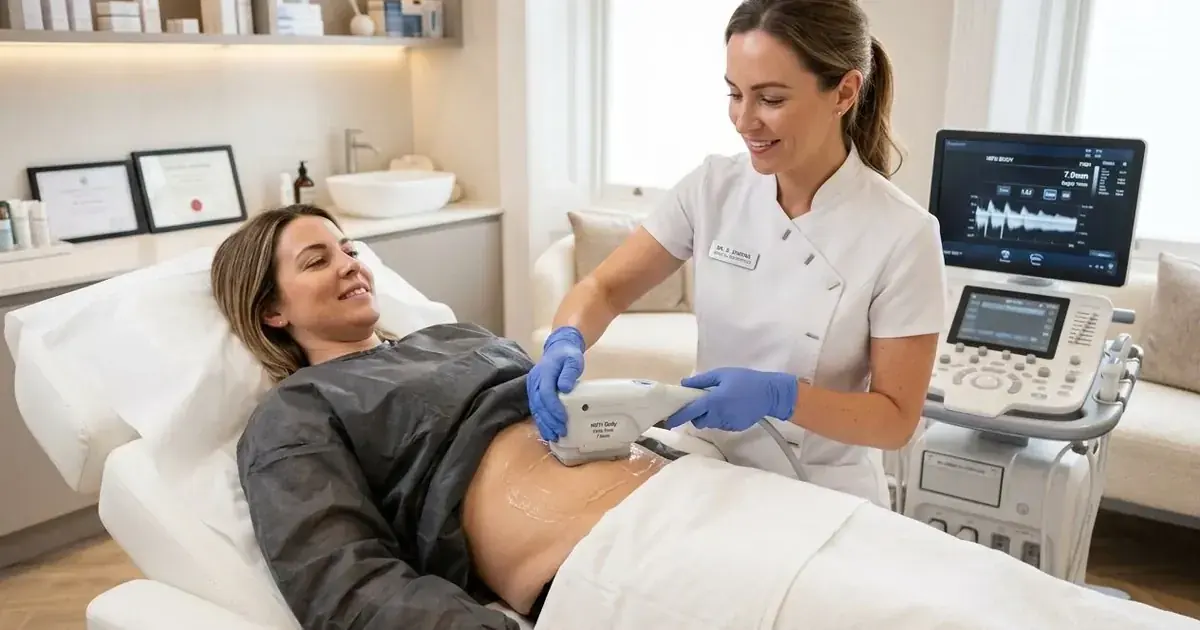
At Kezza Hair & Skin Clinic, non-surgical body contouring procedures are conducted under strict medical supervision across our modern aesthetic centres in Jaipur, Sikar, and Ajmer.
Every journey begins with an honest, objective clinical assessment. If your goals require comprehensive lifestyle modification, we guide you to our doctor-led medical weight management services. If you are an ideal candidate for targeted fat pocket reduction, our team designs a customized protocol using certified non-surgical body contouring technology. You can also explore our specialized hair loss consultation and aesthetic skin programmes.
Considering clinical treatment?
Our aesthetic physicians and surgeons provide personalized clinical assessments at our Jaipur, Sikar and Ajmer clinics.
Sources
- Lasers in Surgery and Medicine: Clinical data on cryolipolysis for non-invasive fat reduction
- Plastic and Reconstructive Surgery: Safety, tolerance, and patient satisfaction with non-invasive cryolipolysis
- Dermatologic Surgery: Long-term efficacy and persistence of cryolipolysis adipose reduction
- Aesthetic Surgery Journal: Paradoxical adipose hyperplasia: incidence, clinical presentation, and management
- Journal of Clinical and Aesthetic Dermatology: Cryolipolysis for safe body contouring across diverse skin types
- American Society of Plastic Surgeons: Evidence-based guide to non-surgical fat reduction modalities
- Indian Journal of Medical Research: Asian Indian specific body mass index cut-offs and metabolic syndrome
- Clinical, Cosmetic and Investigational Dermatology: Mechanism of cold-induced adipocyte apoptosis
This article is general health information, not a diagnosis or a substitute for a consultation. Treatment suitability, number of sessions and results vary from person to person; please speak to a doctor about your own situation.

Kezza Hair & Skin Clinic is a doctor-led hair, skin and aesthetics clinic with branches in Jaipur, Sikar and Ajmer. Meet our doctors. Related treatments: Body contouring & sculpting · Hair loss consultation