Key takeaways
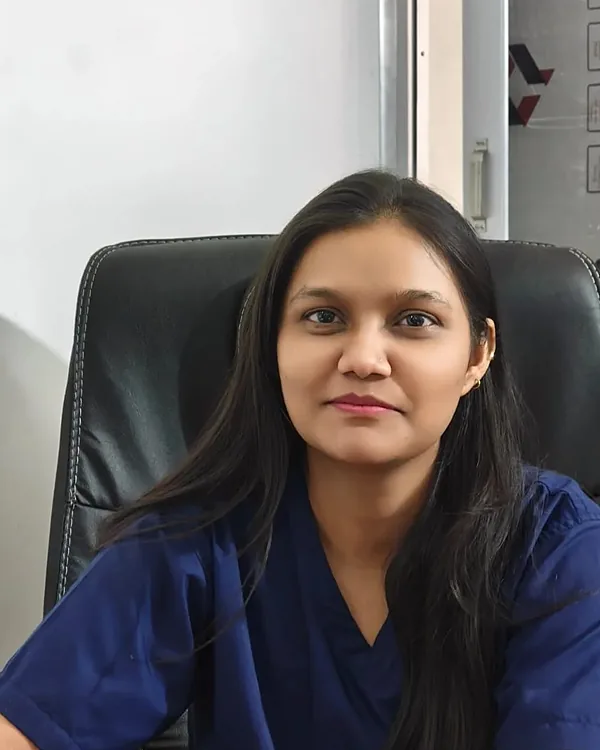
- Dr. Dhiral Vijayvargiya holds an MDS in Oral & Maxillofacial Surgery — a discipline that trains surgeons in the precise anatomy of the face, jaw, nerves and bone structure.
- That surgical depth makes her exceptionally suited for hair transplant incisions, hairline design and facial aesthetic treatments at Kezza Ajmer.
- She consults patients for FUE hair transplant, hair-loss diagnosis, PRP/GFC therapy and facial aesthetics at the Ajmer branch, working alongside Dr. Aliza Rizvi.
- Real patient conversations below illustrate how Dr. Dhiral explains treatment options in plain language before recommending a plan.
Dr. Dhiral's Surgical Background
Dr. Dhiral Vijayvargiya's journey into hair transplant surgery is unusual — and that is precisely what sets her apart. Most hair transplant surgeons come from a dermatology background. Dr. Dhiral trained as an Oral & Maxillofacial (OMF) Surgeon, earning her MDS from a Rajasthan university after her BDS degree, and is registered with the Rajasthan State Dental Council (Reg. No. A-8769).
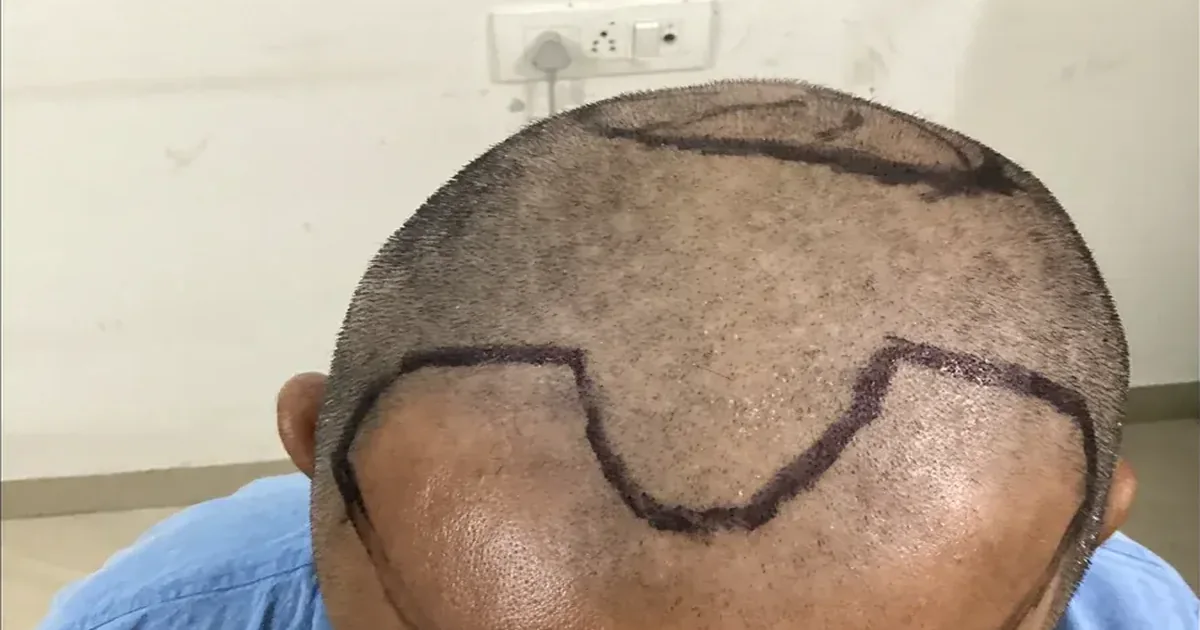
Maxillofacial surgery trains surgeons to operate within millimetres of the trigeminal nerve, the facial artery, and the intricate anatomy of the orbital and nasal regions. This demands a level of anatomical precision that directly benefits two critical phases of a hair transplant: designing a natural-looking hairline that follows the face's proportions, and making precise incisions (slits) for graft implantation without damaging existing follicles.
At Kezza Ajmer, Dr. Dhiral applies that hospital-grade surgical discipline to help patients restore hair density, diagnose the cause of their hair loss, and approach facial aesthetics — all in a clinical environment that feels calm rather than clinical.
Treatments She Performs at Kezza Ajmer
FUE Hair Transplant
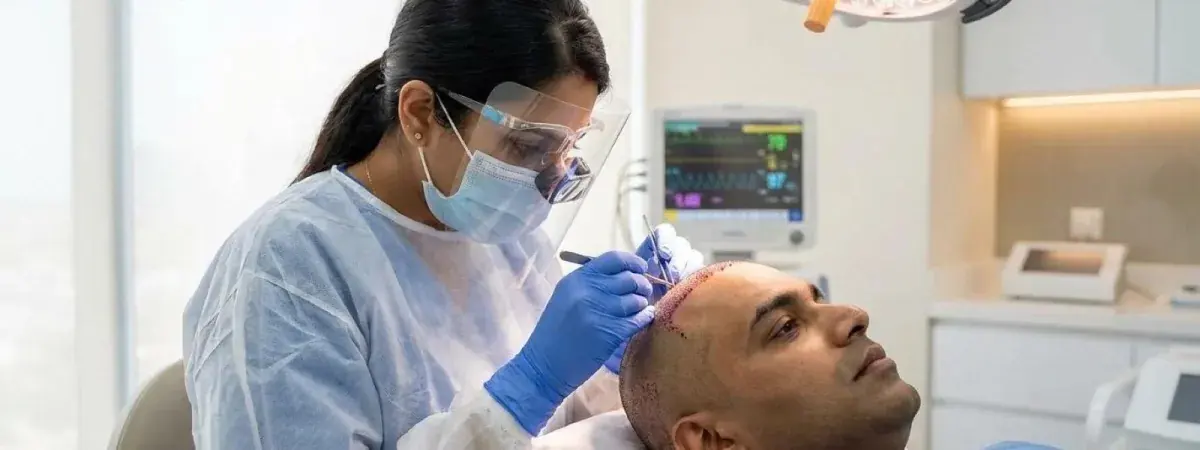
Individual follicular units are extracted from the donor zone and implanted into thinning or bald areas. Dr. Dhiral designs the hairline and performs both extraction and slit-making — the two most technique-sensitive steps.
Learn about FUE →Hair Loss Diagnosis
Using trichoscopy (scalp magnification) and a detailed history, Dr. Dhiral identifies whether loss is androgenetic, stress-induced, nutritional or hormonal. An accurate diagnosis shapes whether surgery, PRP or medication is right for you.
Hair loss consultation →PRP & GFC Therapy
For patients who are not yet candidates for a transplant, or who need to stabilise active hair loss first. A course of 4–6 PRP or GFC sessions nourishes thinning follicles using concentrated growth factors from the patient's own blood.
About PRP therapy →Facial Aesthetics
Botox for dynamic lines, hyaluronic acid fillers for volume loss, and skin boosters for hydration and glow. Dr. Dhiral's maxillofacial background means she has detailed knowledge of facial anatomy for safe, precise injections.
Botox & Fillers →Hair Transplant: How Dr. Dhiral Explains It to Patients
Many patients arrive at the clinic having read conflicting information online. Dr. Dhiral's approach is to explain the procedure in plain language, step by step, so patients feel informed and comfortable before committing to anything.
How Dr. Dhiral typically explains FUE to a new patient:
"Your scalp has a permanent donor zone at the back and sides — these follicles are genetically resistant to the hormone DHT that causes male-pattern baldness. What we do in FUE is take individual follicular units from that zone, one by one, using a tiny punch that leaves no linear scar. We then make micro-incisions in the recipient area — the top or front of your head — and implant the grafts at the correct angle and density."
"The whole procedure is done under local anaesthesia. You will feel some initial injections; after that the scalp is numb and you can watch something on your phone or rest. A typical session for 1,500–2,000 grafts takes 5–7 hours."
"The transplanted grafts shed after 2–4 weeks — this is normal and expected. New hair starts to grow from month 3, and the final result is visible at 12–14 months. The hair that grows is permanent."
Real Patient Conversations
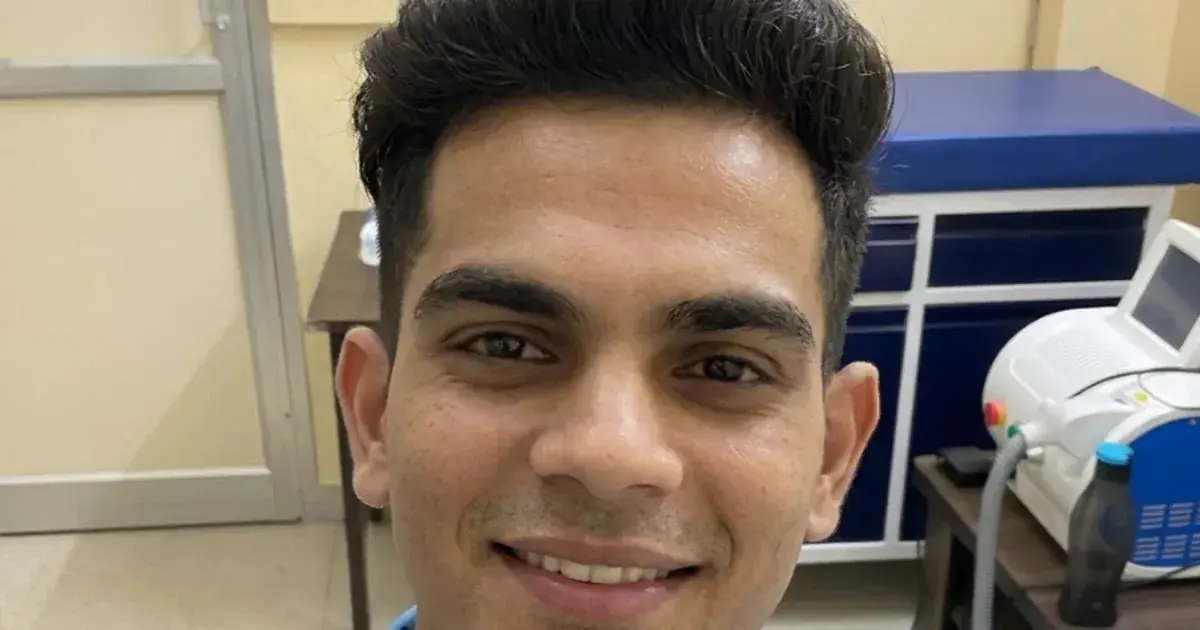
The following excerpts are representative of the kinds of questions Dr. Dhiral routinely answers during consultations. They are based on common patient queries at Kezza Ajmer; names are anonymised.
What to Expect at Your First Consultation with Dr. Dhiral
A first consultation at Kezza Ajmer with Dr. Dhiral typically runs 30–45 minutes and follows this structure:
- History and goals — how long has the hair loss been happening, family history, any medications, and what outcome the patient is hoping for.
- Trichoscopy examination — a scalp magnification device (trichoscope) is used to assess miniaturisation of follicles, donor density, and scalp health.
- Norwood staging — the extent of hair loss is mapped to a standard scale so options can be discussed clearly.
- Treatment options explained — Dr. Dhiral presents the options that are medically appropriate: surgery, PRP/GFC, medical management, or a combination.
- Honest recommendation — if a patient is not a suitable candidate for transplant yet, Dr. Dhiral says so plainly. There is no pressure to commit on the same day.
- Questions and next steps — patients are encouraged to take notes, ask every question, and discuss with family before deciding.
Ready to see Dr. Dhiral at Kezza Ajmer?
The Ajmer clinic is open 9 AM – 8 PM, all 7 days. Reach out by WhatsApp or call and the team will confirm your slot.
Watch Dr. Dhiral & Kezza Surgeons on YouTube
Learn how our oral and maxillofacial surgeons plan precise hairline designs, demonstrate micro-motor extraction, and answer hair restoration FAQs in comprehensive video walkthroughs.
Sources & Further Reading
- StatPearls: Follicular Unit Extraction — NCBI Bookshelf
- American Academy of Dermatology: Hair transplant overview
- Gentile et al. — Platelet-Rich Plasma in Androgenetic Alopecia: Systematic review, Int J Mol Sci 2019
- Facial Filler Complications — Plastic and Reconstructive Surgery Journal 2021
This article is general health information and not a substitute for a personal medical consultation. Treatment suitability and results vary from person to person. Patient conversations above are representative and anonymised.
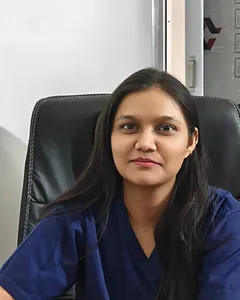
Medically authored by Dr. Dhiral Vijayvargiya
BDS · MDS (Oral & Maxillofacial Surgery) · Reg. A-8769, Rajasthan State Dental Council
Hair Transplant & Aesthetic Surgeon at Kezza Clinic, Ajmer. Full profile: dr-dhiral-vijayvargiya