Key takeaways
- PRP injects concentrated platelets in plasma, which release growth factors in the scalp. GFC activates the platelets during preparation and injects the released growth factors without the cells.
- In a 2026 randomised trial, GFC and PRP (both with minoxidil) produced similar regrowth, but patients rated GFC injections as much less painful.
- A 2026 review of 12 studies found growth-factor injections safe and linked to gains in hair density and thickness, though study quality was mixed.
- Both work best for early or active thinning, usually alongside the medical therapy your doctor prescribes.
The short answer
PRP and GFC are two ways of delivering growth factors from your own blood to thinning hair follicles. PRP (platelet-rich plasma) injects concentrated platelets, which release their growth factors once they are in the scalp. GFC (growth factor concentrate) releases the growth factors during preparation and injects them without the cells. Current evidence suggests the two give similar regrowth, while GFC tends to be more comfortable and may need fewer sessions. Both work best when hair loss is recent and is also treated with medication.
What is PRP?
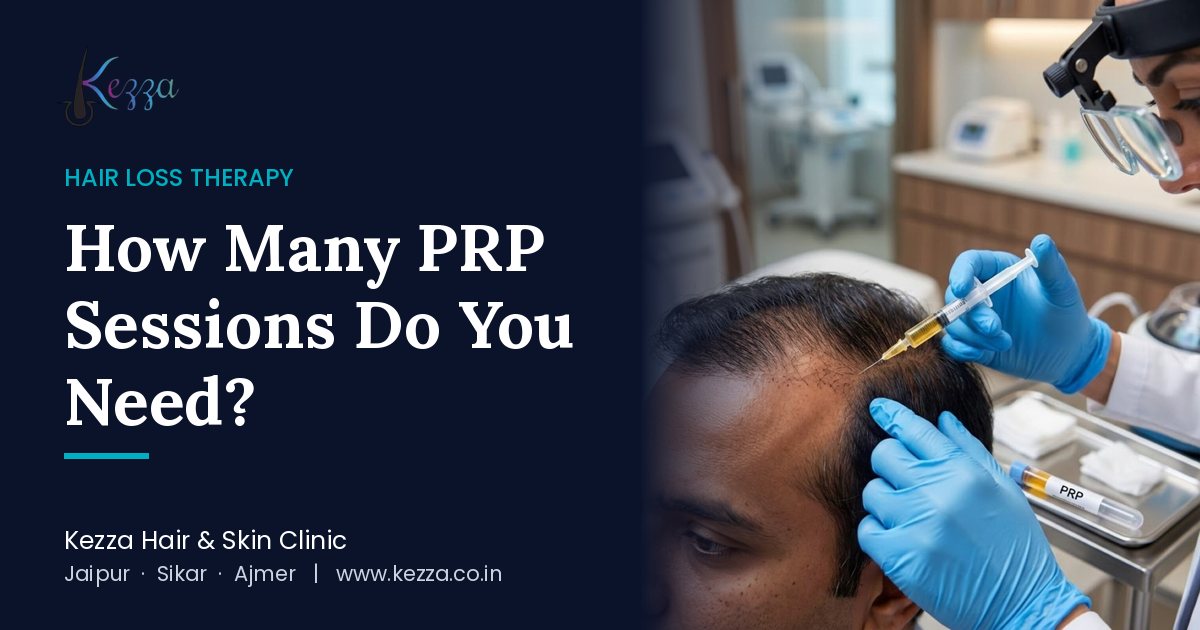
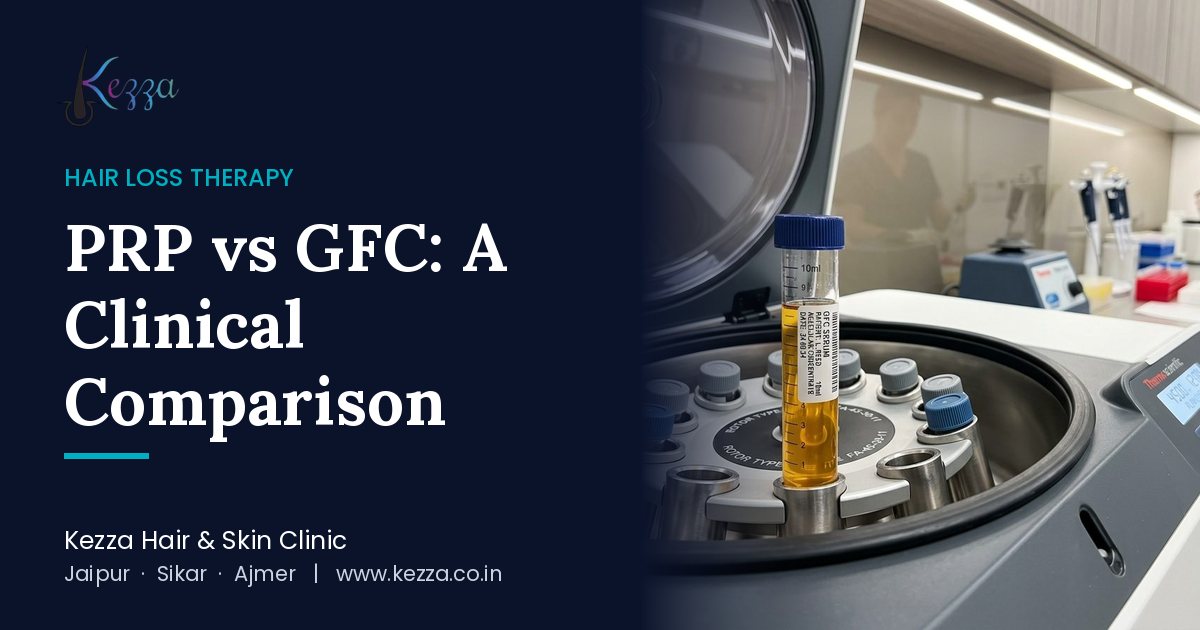
For PRP, a small amount of your blood is drawn and spun in a centrifuge to separate the platelets and plasma from the red blood cells. The platelet-rich layer is then injected into thinning areas of the scalp through fine needles, after numbing. Platelets carry growth factors that are thought to support hair follicles, extend the growth phase of the hair cycle and improve the blood supply around the follicle.
What is GFC?
GFC also starts with your own blood, but it is prepared with a dedicated kit in which the platelets are activated so they release their growth factors before injection. The cell-free (acellular) concentrate of growth factors is what gets injected. In the 2026 trial below, GFC was prepared from about 10 ml of blood with a single high-speed spin, while PRP used about 15 ml of blood with a double-spin method. Because the injected fluid contains no cells, many patients find GFC injections more comfortable.
PRP vs GFC at a glance
| PRP | GFC | |
|---|---|---|
| What is injected | Concentrated platelets in plasma | Growth factors released from platelets, without the cells |
| Preparation | Centrifuge, often a double spin | Kit-based preparation with platelet activation |
| Comfort | Moderate stinging after numbing | Usually rated less painful |
| Typical course at Kezza | 4 to 6 sessions, 3 to 4 weeks apart | 3 to 4 sessions, about 4 weeks apart |
| Maintenance | Every few months | Every few months |
| Evidence | More studies over a longer period | Newer, smaller but growing evidence base |
What the research says
Head-to-head: a 2026 randomised trial
A randomised controlled trial published in 2026 in the Journal of Cutaneous and Aesthetic Surgery compared GFC with PRP in 44 people with pattern hair loss, all of whom also used 5% minoxidil. Each group received three monthly injection sessions. Hair improvement was similar in both groups, with no significant difference between them. The clear difference was comfort: the median pain score was 2 out of 10 with GFC and 6 out of 10 with PRP, and satisfaction was higher with GFC. The authors note the study was small with a short follow-up.
The wider picture
A 2026 systematic review and meta-analysis in Aesthetic Plastic Surgery pooled 12 studies with 745 patients. It concluded that growth-factor injections appear safe and improve hair density, hair thickness and patient satisfaction over 12 months, especially with newer concentrates. It also warned that the studies used different protocols and several trials had a high risk of bias, so the evidence is promising rather than settled.
For PRP, the American Academy of Dermatology describes a typical schedule of monthly injections for three months followed by maintenance every three to six months, with many people noticing less hair loss within the first few months. Cleveland Clinic dermatologists note that PRP tends to work better when hair loss is recent.
Which should you choose?
Your doctor will weigh a few practical points:
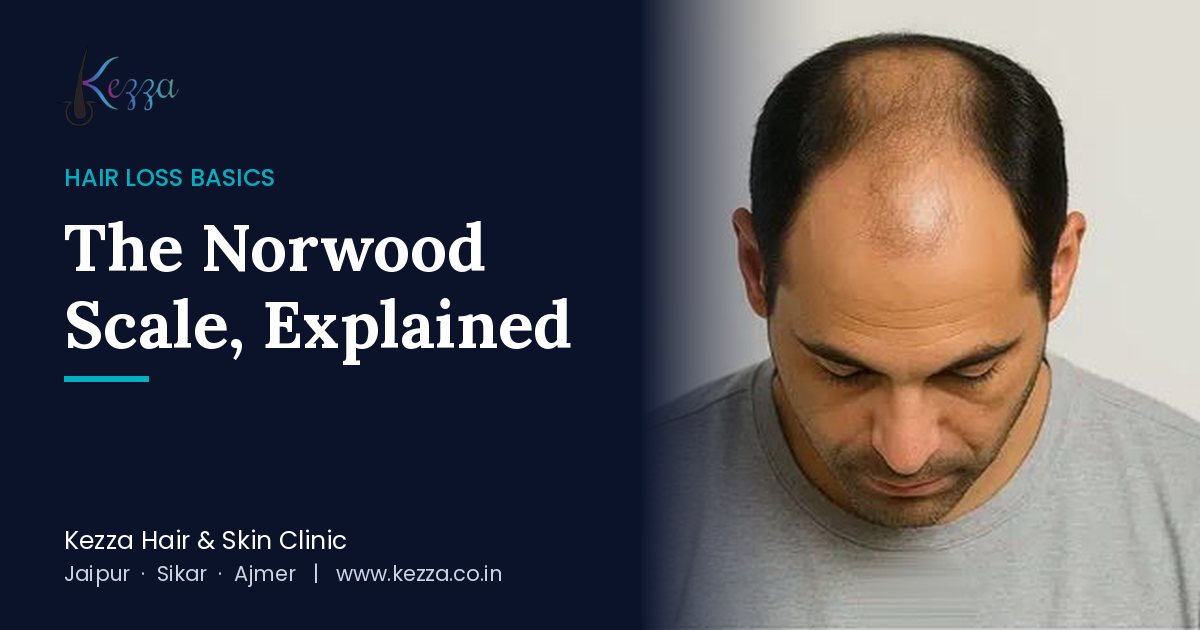
- Stage and pattern of hair loss. Both treat thinning follicles that are still alive; neither can regrow hair on a smooth, long-bald area. See the Norwood scale guide.
- Comfort. If injections worry you, GFC's lower pain scores may matter.
- Number of visits. GFC courses are often shorter; PRP may need a few more sittings.
- Budget. GFC kits usually cost more per session, while PRP may need more sessions, so compare the whole course.
- Other treatment. Both work best alongside medical therapy, such as minoxidil or finasteride, prescribed by your doctor. The AAD notes that minoxidil usually takes 6 to 12 months to show regrowth and finasteride about 4 months to show improvement.
Who should check with a doctor first?
Because both treatments involve a blood draw and scalp injections, your doctor will review your medical history, including any bleeding or platelet disorders, blood-thinning medicines and conditions such as thyroid disease or lupus, which Cleveland Clinic lists among reasons to avoid PRP. It is also important to rule out other causes of hair fall, such as thyroid problems or low iron, which need their own treatment.
PRP and GFC at Kezza
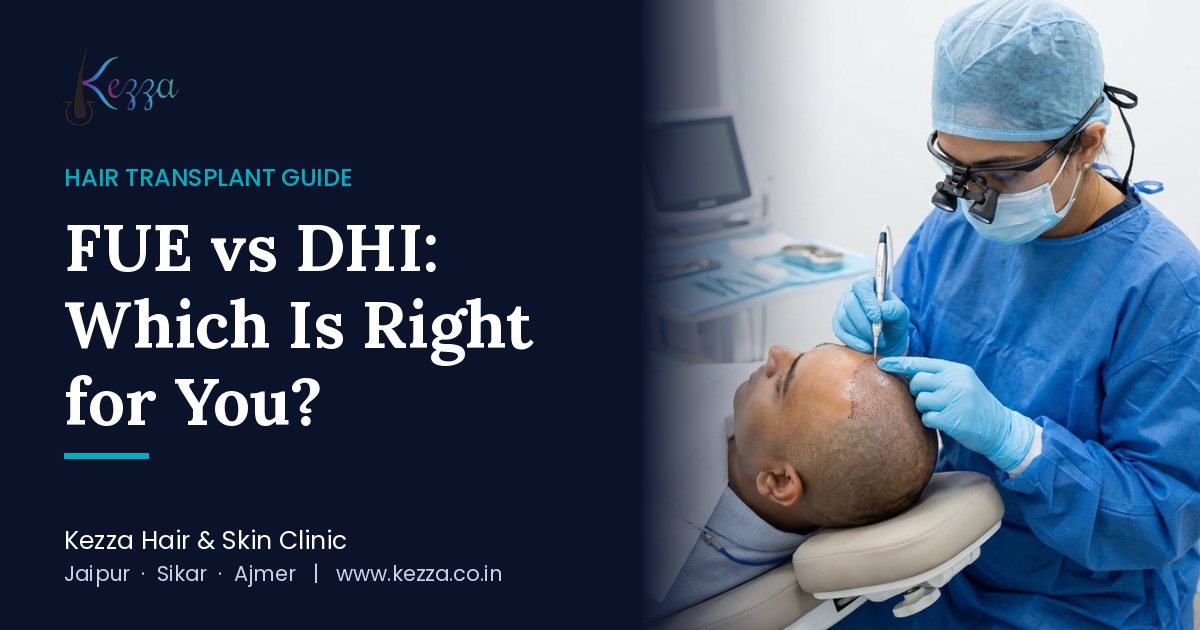
Each session starts with numbing and takes a short time once your sample is prepared. Most people go back to their day straight away. You will get washing and aftercare instructions, and your doctor reviews progress with photos and trichoscopy. Read more on our PRP and GFC therapy page, find out how many sessions you might need, or book at our Jaipur or Sikar clinic.
Sources
- Choubey et al. (2026). Autologous growth factor concentrate versus PRP in androgenetic alopecia with topical minoxidil: a randomised controlled trial. Journal of Cutaneous and Aesthetic Surgery
- Alahmadi et al. (2026). The efficacy of growth factor injection in androgenic alopecia: a systematic review and meta-analysis. Aesthetic Plastic Surgery
- American Academy of Dermatology: Hair loss diagnosis and treatment
- Cleveland Clinic: Hair loss got you down? Platelet-rich plasma may regrow it
This article is general health information, not a diagnosis or a substitute for a consultation. Treatment suitability, number of sessions and results vary from person to person; please speak to a doctor about your own situation.

Kezza Hair & Skin Clinic is a doctor-led hair, skin and aesthetics clinic with branches in Jaipur, Sikar and Ajmer. Meet our doctors. Related treatments: PRP & GFC therapy in Jaipur · Hair loss treatments