Key takeaways
- Chemical peels work chemically by lowering skin pH and dissolving desmosome protein bonds to gently shed melanin-congested epidermal layers.
- Peels are categorized by depth: superficial peels (glycolic, lactic, mandelic, salicylic) target surface tan and acne marks, while medium-depth peels (TCA) target deeper post-inflammatory hyperpigmentation.
- On Indian Fitzpatrick skin types (III to V), priming with topical tyrosinase inhibitors before peeling is essential to prevent post-inflammatory hyperpigmentation (PIH).
- Recovery follows a predictable timeline: mild erythema on day 1, subtle bronzing and micro-flaking between days 3 and 6, revealing fresh, brighter skin within 7 to 10 days.
The short answer
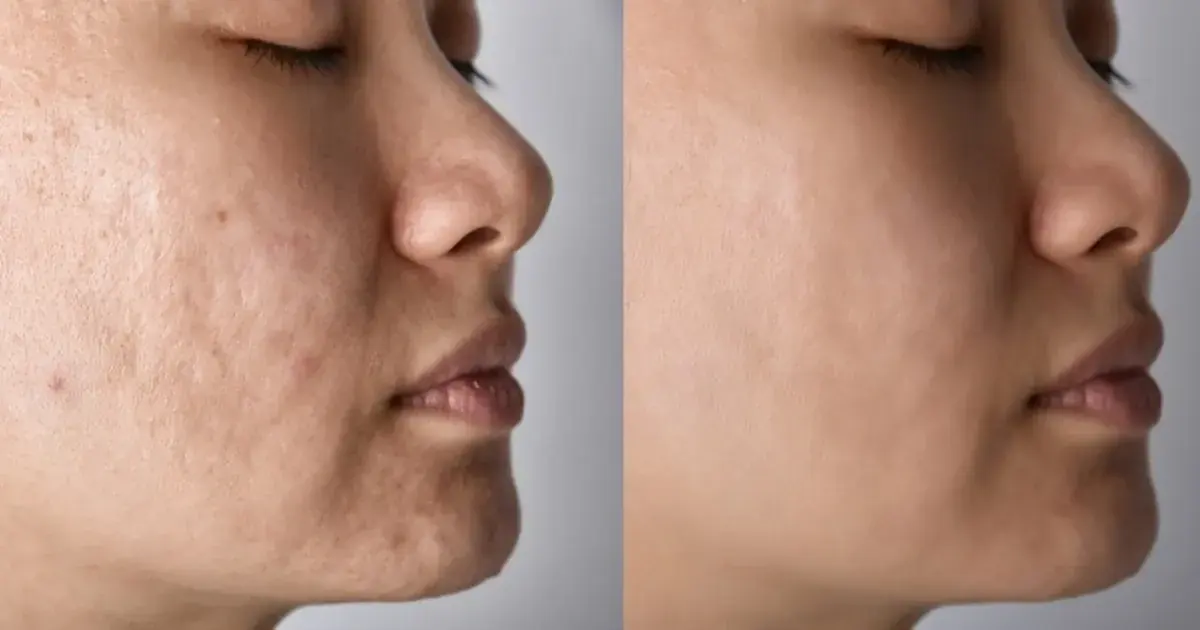
Chemical peeling (chemexfoliation) is one of the most reliable, dermatologist-trusted medical therapies for hyperpigmentation, melasma, sun tan, and post-acne blemishes. By applying calibrated concentrations of medical-grade organic acids—such as glycolic, lactic, mandelic, salicylic, or trichloroacetic acid (TCA)—a chemical peel gently dissolves the microscopic protein bonds holding dead, melanin-clogged surface skin cells together. Over the subsequent 3 to 7 days, this pigmented layer sheds naturally, stimulating the basal epidermis to produce fresh, uniform skin cells with refined texture and restored luminosity.
How chemical peels clear pigmentation at the cellular level
Hyperpigmentation develops when specialized skin cells called melanocytes overproduce melanin granules (melanosomes) in response to ultraviolet (UV) radiation, hormonal fluctuations, or cutaneous inflammation. These pigment packets are transferred into surrounding keratinocytes, where they become trapped in the upper strata of the epidermis, creating visible dark patches, freckles, tanning, and melasma.
Chemical peels resolve this through targeted biological mechanisms:
- Desmolysis and chemexfoliation: Acid solutions lower the surface pH of the skin, cleaving corneodesmosomes—the structural protein rivets holding mature stratum corneum cells together. This accelerates the detachment and sloughing of melanin-dense dead cells.
- Stimulation of epidermal turnover: Controlled superficial injury prompts the basal layer of keratinocytes to accelerate mitotic cell division. Fresh, unpigmented cells migrate upward, replacing damaged, discolored surface tissue.
- Melanin dispersion: By shedding the uppermost compact corneocyte layers, trapped pigment clusters disperse uniformly, noticeably softening high-contrast spots and stubborn blotchiness.
- Enhanced penetration of topical brightening agents: By clearing the dead stratum corneum barrier, subsequent medical topicals—such as kojic acid, azelaic acid, tranexamic acid, and vitamin C—penetrate significantly deeper to suppress active tyrosinase activity.
Medical peel classification: Superficial vs medium depths
Dermatologists classify chemical peels by their histological depth of penetration into the skin. Choosing the appropriate depth depends on whether the pigment resides in the superficial epidermis or deeper junctional layers:
1. Superficial (Very Light to Light) Peels
Superficial peels penetrate through the stratum corneum down to the basal layer of the epidermis. Utilizing mild alpha-hydroxy acids (AHAs) like glycolic, lactic, or mandelic acid, or beta-hydroxy acids (BHAs) like salicylic acid, these peels cause minimal disruption. They produce subtle micro-flaking without social downtime and are the primary choice for surface sun tanning, post-acne erythema, and mild epidermal melasma.
2. Medium-Depth Peels
Medium-depth peels penetrate through the full thickness of the epidermis into the upper papillary dermis. Formulated with trichloroacetic acid (TCA 15% to 35%) or modified Jessner's solution, these treatments induce controlled coagulation of epidermal proteins. They cause noticeable flaking and light crusting over 4 to 7 days, making them effective for persistent post-inflammatory hyperpigmentation (PIH), deeper solar lentigines, and superficial textural irregularities.
3. Deep Peels (Phenol-Based)
Deep peels reach the mid-reticular dermis and carry substantial medical risks, extended recovery timelines, and significant hypopigmentation risks. For Indian and melanin-rich Fitzpatrick skin types (III to V), deep phenol peels are strictly avoided due to the severe hazard of permanent pigmentary alteration.
The most effective chemical peel acids for hyperpigmentation
Not all chemical peeling acids behave identically. Dermatologists select specific formulations based on skin type, sebum production, and pigment localization:
Glycolic Acid (AHA)
Derived from sugar cane, glycolic acid has the smallest molecular size among alpha-hydroxy acids. This allows rapid, deep trans-epidermal penetration. Glycolic acid peels (20% to 50%) are exceptionally effective for generalized sun tan, dull photo-aged skin, and superficial epidermal hyperpigmentation. Because rapid penetration can irritate melanin-rich skin, dermatologists carefully monitor exposure time and neutralize promptly.
Lactic Acid (AHA)
Derived from fermented milk carbohydrates, lactic acid has a larger molecular weight than glycolic acid, enabling a gentler, more gradual penetration profile. Additionally, lactic acid acts as a natural cutaneous humectant, pulling water into the stratum corneum. It is the premier choice for individuals with sensitive, dehydrated skin or mild melasma who require pigment lightening without post-treatment dryness.
Mandelic Acid (AHA)
Extracted from bitter almonds, mandelic acid features the largest molecular structure of all clinical AHAs. Its large molecule penetrates the skin slowly and uniformly, minimizing inflammatory irritation. Mandelic acid is considered a clinical gold standard for darker Fitzpatrick skin tones (types IV and V) prone to post-inflammatory hyperpigmentation, offering safe lightening of melasma and persistent post-inflammatory spots.
Salicylic Acid (BHA)
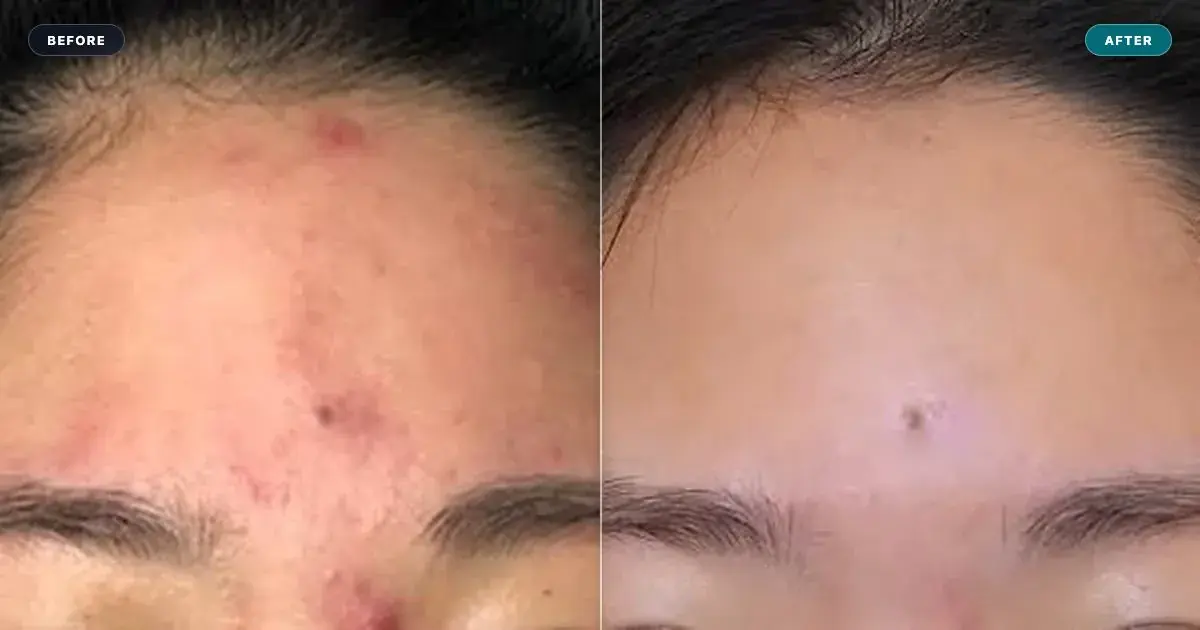
Unlike water-soluble AHAs, salicylic acid is oil-soluble (lipophilic). It effortlessly cuts through sebum to penetrate deeply into congested hair follicle infundibula. In 20% to 30% concentrations, salicylic acid peels reduce active acne pustules, clear micro-comedones, and exfoliate stubborn dark post-acne marks (PIH) simultaneously, making it ideal for oily and blemish-prone complexions.
Trichloroacetic Acid (TCA)
TCA is a self-neutralizing inorganic acid that precipitates skin proteins, causing a visible white "frosting" endpoint. In careful, lower concentrations (10% to 20%), TCA delivers powerful brightening for stubborn epidermal-dermal pigment patches. In targeted application (such as the TCA CROSS technique), it is also utilized for focal atrophic acne scars.
Clinical comparison of chemical peeling agents
| Peeling Acid | Chemical Class & Depth | Primary Pigmentation Target | Expected Flaking | Session Interval |
|---|---|---|---|---|
| Mandelic Acid (30%–40%) | AHA · Superficial (Gentle) | Melasma, sensitive skin pigmentation, dark spots | Microscopic, virtually invisible flaking | Every 2 to 3 weeks |
| Lactic Acid (30%–50%) | AHA · Superficial (Hydrating) | Dry skin tanning, dullness, mild epidermal pigment | Light powdery dusting (days 3–5) | Every 2 to 3 weeks |
| Glycolic Acid (20%–50%) | AHA · Superficial to Medium | Sun tan, solar lentigines, uneven skin tone | Mild flaking to light peeling (days 3–5) | Every 3 to 4 weeks |
| Salicylic Acid (20%–30%) | BHA · Superficial (Lipophilic) | Post-acne dark marks (PIH), oily congested skin | Fine, powdery dry flaking (days 2–4) | Every 2 to 3 weeks |
| TCA (10%–20%) | Organic Carboxylic · Medium Depth | Resistant post-inflammatory patches, sun damage | Noticeable light sheet flaking (days 3–7) | Every 4 to 6 weeks |
The day-by-day peeling and recovery timeline
Understanding the healing trajectory ensures you feel confident throughout your treatment course. While superficial peels cause very subtle shedding, the typical dermatological timeline progresses as follows:
Day 1: Treatment Day (Application & Flushing)
Immediately following the peel neutralization, the skin often appears slightly pink, warm, and noticeably plumped. Mild tingling usually subsides within 30 to 60 minutes. A soothing barrier moisturizer and non-chemical sunscreen are applied before you leave the clinic.
Days 2–3: Pigment Oxidation & Tightening
As the acid begins breaking intercellular bonds, dead cells in the stratum corneum begin to dry. Pigmented patches may temporarily look slightly darker or bronze—a normal phenomenon known as melanin coagulation where dead surface pigment concentrates before release. Skin may feel pleasantly tight or slightly dry.
Days 4–6: Active Natural Exfoliation
Shedding typically begins around high-mobility areas—the mouth, chin, and nose—before extending outward toward the cheeks and forehead. Depending on the peel strength, this manifests as fine powdery flaking or gentle light peeling. Generous ceramide moisturization keeps the skin comfortable.
Days 7–10: The Fresh Epidermal Reveal
Natural exfoliation concludes. The newly matured stratum corneum is smooth, light-reflective, and noticeably more uniform in tone. Pigmentation patches appear visibly faded, and pores appear refined.
Safety guidelines for Indian skin: Preventing PIH
Indian and Asian skin types belong primarily to Fitzpatrick skin types III, IV, and V. These phototypes contain larger, more reactive melanocytes capable of triggering post-inflammatory hyperpigmentation (PIH) if skin is treated aggressively or becomes inflamed. At Kezza Clinic, our dermatologists adhere to strict safety protocols:
- Pre-Peel Priming (2 to 4 weeks): Patients prepare their skin with topical tyrosinase inhibitors (such as azelaic acid, kojic acid, tranexamic acid, or low-dose retinoids). Priming quiets melanocyte hyperactivity, thins the stratum corneum for even acid penetration, and reduces PIH risks.
- Choosing gentle, large-molecule acids: Mandelic acid and lactic acid are prioritized over high-concentration, fast-penetrating unbuffered acids on sensitive skin.
- Never picking or scrubbing shedding skin: Manually stripping peeling skin pulls premature basal cells to the surface before they are fully keratinized, causing micro-wounding and dark rebound marks.
- Rigorous photoprotection: UV radiation triggers melanin synthesis in healing skin. Daily broad-spectrum SPF 50 sunscreen with PA++++ rating, supplemented by physical shade, is mandatory throughout treatment.
What happens during a clinical chemical peel session
A medical chemical peel at Kezza Clinic is performed in a sterile, doctor-supervised environment taking approximately 30 to 45 minutes:
- Dermatological Skin Assessment: The doctor examines the depth of your pigmentation under clinical magnification or Wood's light to confirm whether pigment is epidermal, dermal, or mixed.
- Double Cleansing & Degreasing: The skin is cleansed thoroughly and wiped with an alcohol or acetone-based degreaser to strip surface sebum, ensuring uniform, streak-free acid penetration.
- Sensitive Zone Shielding: Petroleum jelly or protective barrier balm is applied to delicate areas—the corners of the nose, lips, and outer eye contours—to prevent acid pooling.
- Calibrated Acid Application: The custom-chosen peeling agent is applied evenly using a medical brush or gauze pad, monitoring the skin for precise visual endpoints (such as mild erythema or level I frosting).
- Neutralization & Calming Mask: For time-dependent peels (like glycolic), an alkaline neutralizing solution is applied to halt acid activity. A cold compress or anti-inflammatory peptide mask soothes the skin immediately.
- Barrier Sealing & Sunscreen: A ceramide-rich barrier repair cream and tinted physical sunscreen are applied to protect newly revealed skin.
Consult our skin specialists at Kezza Clinic
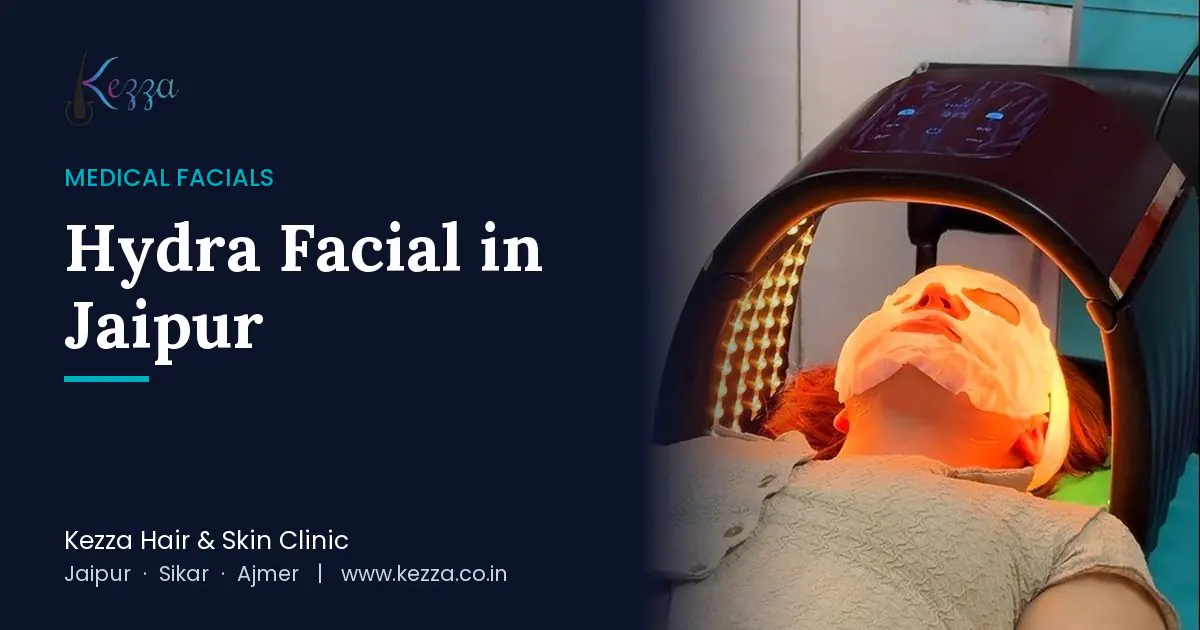
Because every skin type possesses unique sensitivity thresholds and pigment depths, professional medical assessment is crucial for safe, predictable results. Consult our experienced dermatologists at our Jaipur, Sikar, or Ajmer clinics. Explore our comprehensive medical skin services, discover our hydra facial deep-cleansing guide, or learn about our acne scar revision treatments.
Considering clinical treatment?
Our aesthetic physicians and surgeons provide personalized clinical assessments at our Jaipur, Sikar and Ajmer clinics.
Sources
- Indian Journal of Dermatology: Chemical peels in melasma and hyperpigmentation: a review
- Journal of the American Academy of Dermatology: Evidence-based management of hyperpigmentation
- Dermatologic Surgery: Safety and efficacy of superficial chemical peels in dark skin types
- British Association of Dermatologists: Chemical peel patient care guidelines
This article is general health information, not a diagnosis or a substitute for a consultation. Treatment suitability, number of sessions and results vary from person to person; please speak to a doctor about your own situation.

Kezza Hair & Skin Clinic is a doctor-led hair, skin and aesthetics clinic with branches in Jaipur, Sikar and Ajmer. Meet our doctors. Related treatments: Skin services in Jaipur · Chemical peels · Acne treatments · Hydra facial · Acne Treatment · Hydra Facial · Botox & Dermal Fillers · Pigmentation & Melasma Treatment · Medical peel · Q-switch laser toning